Let's talk about the not-so-great side of press releases.
Did you know that a whopping 44% of journalists actually prefer getting their news from sources other than press releases?
Yep, that's right! This little nugget of info can really shake up how effective your message gets out there.
But hey, there's more to consider than just what journalists like.
Dive in to discover the tricky hurdles press releases can throw your way in today's ever-evolving media scene.
Key Takeaways
When it comes to getting the word out, having limited media coverage can really put a damper on things. It's tough to stand out and catch people's attention when there's so much information out there. Without that personal touch or adaptability, it's easy to lose your audience's interest and end up feeling like you're just adding to the noise.
In a world where information overload is the norm, it can be challenging to make a big splash with your stories. The risk of inaccuracies creeping in looms large, potentially damaging your reputation. It's crucial to find ways to cut through the clutter and deliver content that resonates with your audience on a personal level.
Limited Media Coverage
Trying to spread your message far and wide can be quite the challenge with press releases. While they've the potential to reach a broad audience, grabbing the attention of major media outlets isn't always a walk in the park. Journalists and editors are bombarded with countless submissions daily, making it easy for your press release to get lost in the shuffle if it lacks a catchy headline or relevant content.
Even smaller or specialized publications, crucial for reaching specific demographics, might gloss over press releases, limiting your media exposure. This oversight can significantly dampen the impact and visibility of your message. Moreover, the fierce competition for media coverage adds another layer of complexity. With so many organizations vying for attention, standing out becomes increasingly challenging.
In today's fast-paced media landscape, where every moment counts and attention spans are fleeting, the drawbacks of press releases can hamper your efforts to connect effectively with your target audience. To combat these limitations, consider complementing your press release strategy with additional outreach methods to ensure your message resonates with as many people as possible.
High Competition for Attention
When it comes to getting your message out there through press releases, it's a real battlefield for attention.
Every day, journalists are bombarded with a ton of information, making it tough for companies like yours to stand out.
To shine in the spotlight, you've got to craft a message that grabs attention and cuts through all the noise.
It's all about making sure your story gets noticed in the midst of the media frenzy.
Attention Competition
In today's fast-paced world of communication, breaking through the noise to grab the attention of journalists and media outlets can feel like navigating a crowded marketplace. With companies bombarding media channels with press releases daily, it's a real challenge to ensure yours doesn't get lost in the shuffle. Journalists face a constant influx of press releases, so it's vital to make yours concise, engaging, and tailored to your audience.
To stand out in this competitive landscape, start by crafting clear and captivating headlines that draw readers in. Avoid using industry jargon that might confuse or turn off your audience. Instead, focus on creating content that resonates with your target readers and speaks to their interests.
Having been in the trenches of media relations, I know firsthand the importance of making your press release not just informative, but also compelling. Sharing personal experiences or feelings on a topic can make your content more relatable and engaging for readers. By weaving in real-life examples or demonstrating expertise in the field, you can establish credibility and connect with your audience on a deeper level.
Media Overload
Navigating the vast sea of media buzz and fierce competition for attention demands a savvy approach to crafting press releases that truly grab journalists' interest in the midst of a constant flow of information.
In 2020 alone, there were over half a million press releases sent out weekly, bombarding journalists with 50 to 100 releases every day. This flood of content often leads to many releases being brushed aside or overlooked as journalists search for stories that are fresh and noteworthy.
To tackle this challenge of media overload, it's crucial to create press releases that are finely tuned, targeted, and tailored to match the specific preferences of journalists and their readers. By offering valuable, exclusive, or intriguing content, you can boost the chances of your press release standing out in a cutthroat environment.
Risk of Reader Disinterest
When you're putting together a press release, it's crucial to grab your audience's attention right off the bat. People these days have a short attention span, so your headlines need to be catchy and on point to reel them in.
Avoid getting too technical or using jargon that might leave your readers scratching their heads. Keep it simple, engaging, and straight to the point.
Potential Lackluster Content
When it comes to captivating your audience with content that truly resonates, it's crucial to steer clear of anything that might make readers lose interest in your press releases. If your content lacks that spark, it could easily slip by unnoticed.
Let's delve into why lackluster content can lead to reader disinterest:
- Weak Headlines: A headline that doesn't grab attention might cause your press release to go unnoticed in the sea of information out there.
- Avoiding Industry Jargon: Using technical terms can leave your readers feeling lost or disconnected from your message.
- Information Overload: In a world flooded with press releases, yours might get lost in the shuffle if it doesn't stand out with compelling content.
- Relevance Matters: Journalists might dismiss uninteresting content as old news, pushing it to the sidelines and minimizing its impact.
Limited Engagement Opportunities
Press releases are like the information messengers of the digital age. They help spread the word about important stuff, but sometimes they can be a bit, well, boring. Imagine reading a press release that's just a wall of text – snooze fest, right? That's because without some pizzazz, like cool pictures or a chance to chat with someone real, it's easy for readers to tune out.
One reason for this snooze fest could be that press releases are usually pretty formal and structured. They don't always vibe with today's audience who's all about interactive and snazzy communication. To jazz things up and make sure your message hits home, try spicing it up with unique stories and angles. By adding a bit of flair and making it more engaging, you can avoid the yawns and make sure your message stands out in the crowd.
Potential Alienation of Audiences
When it comes to connecting with your audience through press releases, personalization is key. Sending out generic information can lead to disengagement and disinterest. To keep your readers engaged, consider these important points:
- Make it Personal: Tailoring your press releases to specific demographics or target markets makes your content more relatable and interesting.
- Target Your Approach: Avoid bombarding your audience with press releases. Instead, strategize when and how to share your news to keep them interested and engaged.
- Understand Your Audience: Take the time to learn about the different segments of your audience. Addressing their concerns and interests will help you connect better with them.
- Adapt to Different Platforms: Social media platforms vary in how users engage with content. Customize your press releases for each platform to reach a wider audience effectively.
Perception of Being Outdated
You know, press releases have been around for ages, but these days, some journalists and media folks think they're kind of old school in our fast-paced digital world. The way news spreads like wildfire online has changed the game, making traditional press releases seem a bit slow and out of touch.
Picture this: journalists are bombarded with news updates every day, and amidst this chaos, press releases often end up lost in the shuffle. There are just so many of them floating around that it's easy for media pros to get tired and skip over them. In a world where being quick and relevant is crucial, press releases sometimes struggle to keep up and grab journalists' attention.
Let's not forget the impact of poorly crafted headlines and all that industry jargon in press releases. Nowadays, people want content that's snappy, engaging, and cuts through the noise instantly. If press releases don't adapt to these trends, they risk falling flat with today's media crowd hunting for fresh, standout stories in the digital jungle.
Difficulty in Capturing Attention
Having a tough time getting noticed in today's fast-paced media world, press releases really have their work cut out for them. Standing out among the flood of information bombarding audiences is no easy task. Here's why grabbing attention can be such a challenge:
- Fierce Competition for Attention: Every day, a massive number of press releases flood the scene, creating a fierce battle for attention. With journalists and readers spoiled for choice, your release needs to fight for its moment in the spotlight.
- Crafting an Eye-catching Headline: Your headline is your golden ticket to catching attention. If it doesn't pique interest or spark curiosity, your release might get lost in the crowd of others vying for the limelight.
- Lack of a Unique Angle: Without a fresh or noteworthy angle, your press release risks blending into the background noise. People are drawn to stories that offer something different or exciting – ensure your release stands out from the rest.
- Risk of Being Passed Over: Poor storytelling or presenting dull content can easily lead to your release being overlooked. To grab attention, your release must captivate the audience from the get-go and keep them hooked throughout.
Ineffectiveness in Generating Major Stories
Diving into the sea of press releases is like searching for buried treasure for journalists. Amid the daily flood of information, it's no easy task to uncover the big stories that truly stand out. The key here is to make your press release shine, but with the sheer number of releases hitting inboxes daily, many fall flat and fail to spark interest. This flood can lead journalists to overlook releases that lack a captivating angle or newsworthy content, causing missed opportunities for coverage and leaving journalists uninterested.
A poorly crafted headline can be the kiss of death, causing journalists to scroll right past your release. If the headline doesn't grab their attention from the get-go, they mightn't even bother opening it to see what's inside. Furthermore, drowning your press release in industry jargon can be a major turn-off for journalists. They prefer straightforward, clear language that gets straight to the point.
In today's world, where personalized communication is king, some journalists see traditional press releases as relics of the past. They crave tailored story ideas that speak directly to their interests. To up your chances of landing major coverage, focus on creating releases that are truly newsworthy, engaging, and free of unnecessary jargon.
Crafting a press release that hits the mark is all about standing out in the crowd, grabbing attention with a compelling headline, and speaking directly to your audience. By focusing on what truly matters and ditching the fluff, you'll increase your chances of making waves in the world of journalism.
Overlooked Due to Volume
Navigating the chaotic world of press releases as a journalist can feel like trying to find a needle in a haystack. Your carefully crafted release may drown in a sea of others vying for attention. Here's why your press release might slip through the cracks amidst the daily avalanche of releases:
- Information Overload: Picture journalists wading through a flood of press releases daily, struggling to pick yours out from the crowd.
- Battle for Attention: The sheer number of press releases can bury yours under a mountain of competing stories, reducing its chances of getting noticed.
- Resource Crunch: Journalists juggle limited time and resources, sifting through a barrage of press releases, which could mean yours gets lost in the shuffle.
- Search Engine Puzzle: Search engines play a crucial role in news discovery. If your press release lacks the right keywords, it mightn't surface when journalists are hunting for stories.
To avoid being lost in the shuffle, make your press release captivating, concise, and tailored to catch journalists' eyes in the midst of the information overload they face daily.
Negative Impact on Reputation
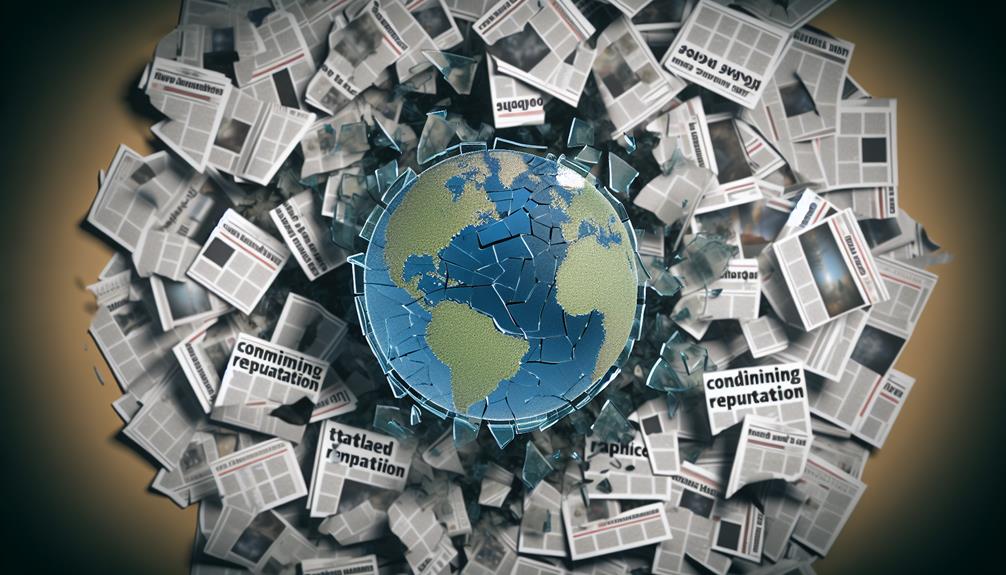
When a press release contains inaccurate or misleading information, it can seriously harm a company's credibility and trustworthiness. This damage doesn't just affect the organization's reputation but can also impact how its leaders are perceived. People judge your brand based on how honest and clear your communications are. If your press releases lack transparency and accuracy, you risk facing skepticism and criticism from both the media and the public, which can further harm your credibility.
Moreover, poorly crafted press releases with mistakes can reflect poorly on your company's professionalism and attention to detail. During a crisis, mishandling a press release can make the situation worse, leading to a negative public image. It's crucial to ensure that your press releases are truthful, clear, and well-written to protect your company's reputation and uphold the trust of your stakeholders.
Repairing a damaged reputation takes time and effort, often requiring a long-term strategy to rebuild trust.
Frequently Asked Questions
What Makes a Press Release Bad?
Ever read a press release that just leaves you scratching your head? It's like trying to decipher a secret code with all the jargon and buzzwords. Let's face it, nobody's got time for that. A good press release should be like a juicy piece of gossip – clear, intriguing, and straight to the point.
So, how do you make sure your press release hits the mark? Keep it simple, keep it real, and make sure it's something people actually care about. Don't just regurgitate the same old information or try to sell something. Instead, find that unique angle that will make journalists sit up and take notice.
When Should Press Releases Be Avoided?
So, when you're thinking about skipping those press releases, it's important to consider a few things. Ask yourself if the news is really that big of a deal, if it's likely to grab anyone's attention, or if it might be a better fit somewhere else. If the news isn't that exciting, might get overlooked, or could be better shared elsewhere, then it's probably best to give the press release a pass. Just keep these factors in mind when deciding whether to go ahead with it or not.
What Not to Write in a Press Release?
When putting together a press release, it's best to steer clear of sounding too promotional or using industry jargon that might confuse your audience. Keep it simple, stick to the facts, and get straight to the point without overwhelming anyone. It's important to be concise and direct in addressing the key points without adding any fluff that could distract from your message. Just focus on sharing the necessary information in a clear and straightforward manner.
What Are the Do's and Don'ts in a Press Release?
When you're putting together a press release, aim to keep it straightforward, engaging, and full of useful information. Skip the industry jargon and the hard sell. Start off with a catchy statistic to grab attention. Including quotes from key players adds credibility. Remember, less is more – keep it short and sweet while delivering value.