
Have you ever wondered why press releases often end with '30'?
This seemingly random number actually has a fascinating history tied to old communication methods that have stood the test of time.
As you think about the significance of this tradition, you'll uncover a blend of history, symbolism, and professionalism that gives a unique touch to your press release sign-off.
It's like unlocking a hidden gem in the world of communication that adds a special touch to your message.
Key Takeaways
When you see -30- at the end of a press release, it's like a classic sign-off that harks back to the days of telegraph codes. This symbol brings a touch of tradition and professionalism, letting you know that you've reached the end of the message. Using -30- ensures that the communication is clear and comprehensive, blending old-school practices with modern journalism. This practice pays tribute to the efficient communication methods of the past, adding a respectful nod to our communication heritage.
Origin of the Tradition
The tradition of ending a press release with 30 has an interesting origin dating back to the American Civil War era. Back then, telegraph operators needed quick ways to convey information, leading to the creation of shorthand codes like Woods Telegraphic Numerals. Among these codes was -30-, likely borrowed from the Phillips Code, which used it to signal the end of a message.
Railroad practices also influenced telegraph operators, where 30 indicated the end of a train's journey. This association led -30- to become a common way to signify the conclusion of a transmission. Over time, this shorthand made its way into press releases and journalism in North America. While the exact choice of 30 remains a bit mysterious, its link to signaling the end of a story has become a long-standing tradition in the media world.
Historical Significance
Have you ever wondered about the story behind the tradition of ending press releases with –30-? It's a nod to the old days of telegraph codes and shorthand used by operators in the journalism world. Back then, telegraphy was the cutting-edge technology of communication, and these numerical codes were like a secret language for journalists.
Imagine a bustling newsroom buzzing with reporters clacking away on typewriters and telegraph operators sending messages in Morse code. -30- was a signal that the transmission had ended, much like a period at the end of a sentence. It's fascinating to see how this relic from the past has seamlessly woven itself into modern media practices.
The legacy of telegraphy lives on in the media industry, reminding us of the rich history and evolution of communication. So, next time you see -30- at the end of a press release, take a moment to appreciate the enduring influence of this bygone era on journalism today.
Origin of the Tradition
Going back to the 19th Century telegraph codes, the tradition of adding –30– at the end of a press release originated from the shorthand codes used for communication. Codes like 30 for 'end' and 2 for 'very important' were common among telegraph operators, including PR professionals, to streamline their messages.
Notably, Western Union's 92 Code and Woods Telegraphic Numerals specifically assigned the number 30 to signal the conclusion of a message. By including -30- at the end of a press release, a nod to the historical telegraph practices is given, adding a sense of tradition and finality to the document.
This practice helps readers easily recognize when the content is complete, enhancing clarity and marking the end of the message.
Industry Standard Explanation
Traveling back to the time when telegraphs ruled the communication game, the –30- tag at the end of a press release has deep roots in the history of telegraph codes like Western Union's 92 Code and Woods Telegraphic Numerals.
This tradition marks the end of a press release, following the norms of journalism. It helps signal the completion of the content concisely and clearly, making communication more efficient.
While -30- is the go-to symbol, other options like END, -END-, and XXX also serve the purpose of wrapping up press releases. The enduring popularity of -30- can be credited to its simplicity, historical significance, and role in maintaining clarity in written communication.
Evolution of Communication Practices

Let's delve into how communication has evolved over time, shaping the way news is delivered today. From the early days of telegraph codes to the modern practices of journalism, there's a rich history behind the -30- in press releases. Back in the day, shorthand systems like Western Union's 92 Code laid the groundwork for handy shortcuts like using 30 for efficiency in written messages.
Technological advancements have played a significant role in transforming how we communicate. These innovations haven't only made information sharing faster but also influenced how we understand and interpret data in our current times. It's fascinating to see how these developments have impacted the way we interact and stay informed today.
Communication Methods History
Communication has come a long way over the years, with new methods constantly evolving to make it quicker and clearer.
Back in the 19th century, companies like Western Union were all about finding ways to send messages faster. They created codes like the 92 Code to help streamline communication and get messages across more efficiently.
Telegraph shorthand was another game-changer. Using codes like 29 for private messages and 88 for love notes made sending telegraphs a lot easier and quicker. These shortcuts still influence how we communicate today.
Numerical telegraph codes were another innovation. They allowed people to convey specific messages in a more efficient way. This even led to the use of '-30-' in press releases to signal the end of a message.
The impact of these early communication codes can still be seen in modern journalism and brevity codes. It's fascinating to see how historical methods have shaped the way we communicate today.
Technology Impact Timeline
Let's dive into how communication practices have evolved over time with the help of technology.
Back in the 19th century, telegraph operators had some nifty tricks up their sleeves. They used shorthand codes like '30' to let others know they were done with a message. These shorthand methods, such as the 92 Code and Woods Telegraphic Numerals, have had a lasting impact on how we communicate today. Operators even borrowed some tricks from the railroad industry to make sending messages more efficient.
Fast forward to now, and we still see remnants of historical telegraphy in the use of '-30-' to mark the end of press releases. This journey shows how innovations from the past continue to shape how we write and communicate today.
Symbolism Behind '30'
Ever wondered why press releases often end with '30'? Well, this practice dates back to the telegraph era when '30' was the shorthand code for the conclusion of a message. Back in the 19th century, telegraph operators used this code to signal the end of a transmission efficiently. It became so ingrained in communication that even Western Union's 92 Code adopted '30' to signify the message's termination. Here's why '30' holds significance in modern press releases:
- A Nostalgic Touch: The use of '30' in press releases brings a hint of nostalgia from the telegraph days when long-distance communication relied on these shorthand codes.
- Clear Ending: Ending a press release with '30' clearly marks the conclusion, helping readers recognize the end of the message without any ambiguity.
- Traditional Practice: PR pros and journalists continue the tradition of concluding press releases with '30' due to its simplicity and long-standing legacy in the communication realm.
- Symbolic Closure: Beyond its practical role, '-30-' symbolizes finality and closure, reinforcing that the information shared is definitive and wraps up with that statement.
Journalistic Adoption
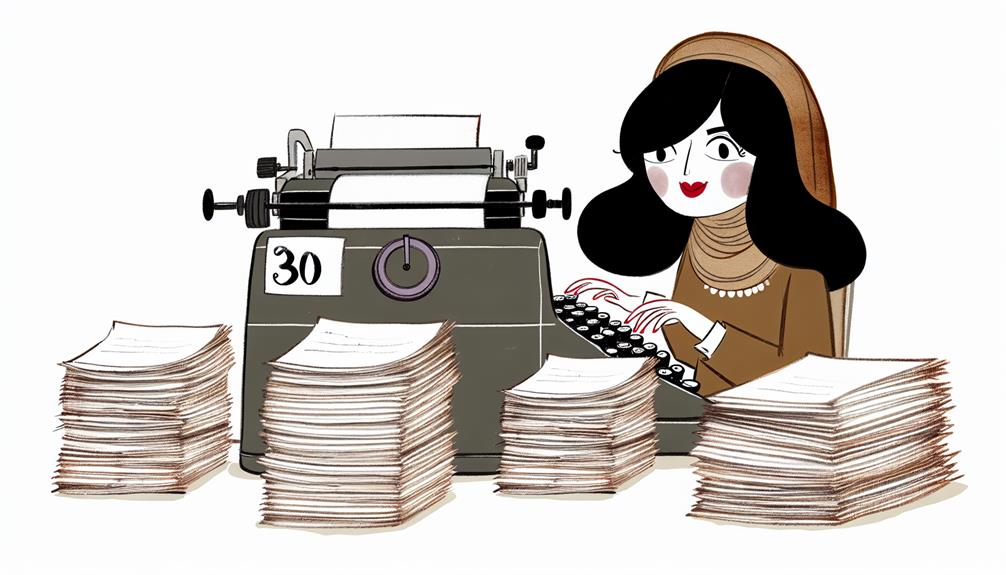
Have you ever wondered about the mysterious '-30-' you see at the end of press releases? Well, it's actually a nod to tradition and history in journalism. Back in the day, reporters used this symbol to mark the end of a piece, signaling that it was complete. It's like a little historical signature that signifies closure.
Today, journalists still use '-30-' to wrap up their stories and press releases. It's a way to pay homage to the past and keep things clear and concise for readers. By sticking to this old-school practice, we maintain a sense of finality and make sure our message is wrapped up neatly.
Western Union Influence
Back in the 19th Century, Western Union had this cool way of using numbers like 30 to say 'end' in their telegraph communications. It's pretty neat to think about how that little code still affects how we talk to each other today.
Let's break down four ways Western Union's legacy lives on in how we communicate today:
- Telegraph Talk: Back then, telegraph operators were all about efficiency. They'd use shortcuts like 30 to wrap up a message quickly. This clever trick of using numbers for common phrases really sped up communication.
- Quick Codes: Western Union's 92 Code was full of shortcuts like 88 for 'love and kisses'. People in the telegraph and radio world loved these codes for their snappy and to-the-point messaging. Those codes became part of how we chat with each other.
- Modern Nods: Even now, when you see '30' at the end of a press release, it's a little tip of the hat to the old telegraph days. It's a subtle way to say 'we're done here' while also giving a nod to history.
- Efficiency Echoes: Western Union really set the bar for efficient communication. Their use of numeric codes for common phrases paved the way for how we keep it short and sweet when we talk in the digital age.
It's pretty cool to see how a simple code from way back when still shapes how we shoot the breeze today.
Transition to Modern Press Releases
Let's talk about how press releases have transformed in the digital age to engage a wider audience. Nowadays, press releases are all about incorporating eye-catching images, engaging videos, and clickable links to make them more interactive and appealing.
In the modern world, press releases aren't just about sharing information; they're about creating a multimedia experience that captures the attention of a diverse audience. By using visuals, videos, and links, press releases can now connect with people on a whole new level.
Imagine a press release that not only informs but also entertains and engages. That's the power of multimedia integration in today's press releases. It's like bringing the story to life right in front of your audience, making it more relatable and memorable.
And it's not just about sharing these multimedia-rich press releases; it's also about reaching a wider audience through online platforms and social media. By leveraging digital distribution channels, press releases can now connect with people globally, breaking down geographical barriers and reaching a diverse audience.
Moreover, modern press releases aren't just about putting out information; they're also about measuring their impact through analytics tracking. By analyzing data, companies can understand how their press releases are performing and make informed decisions to optimize their reach and engagement.
In a nutshell, modern press releases are all about creating an interactive and engaging experience for a global audience. It's about more than just words on a page; it's about connecting with people in a meaningful and impactful way.
Persistence in Digital Era
Press releases have come a long way in the digital age, but one old-school tradition that still holds strong is the use of -30- at the end of a press release. It's like a nod to the past, keeping that historical connection alive in today's fast-paced world of journalism. The simplicity of -30- just works, signaling the end of the release with a timeless touch.
- Honoring Tradition: Keeping -30- in digital press releases shows that we value our roots and respect the way things used to be done, even as we embrace new technologies.
- Clear Ending: -30- is like a big red stop sign for readers, letting them know they've reached the finish line of the press release.
- Setting the Standard: In a digital realm where things change in a blink, sticking to -30- sets a professional tone that blends the old with the new seamlessly.
- Preserving History: By holding on to -30- in digital releases, we're not just following a tradition; we're preserving a piece of journalism's history, reminding us of where we come from in a constantly evolving media landscape.
Significance in Contemporary Journalism
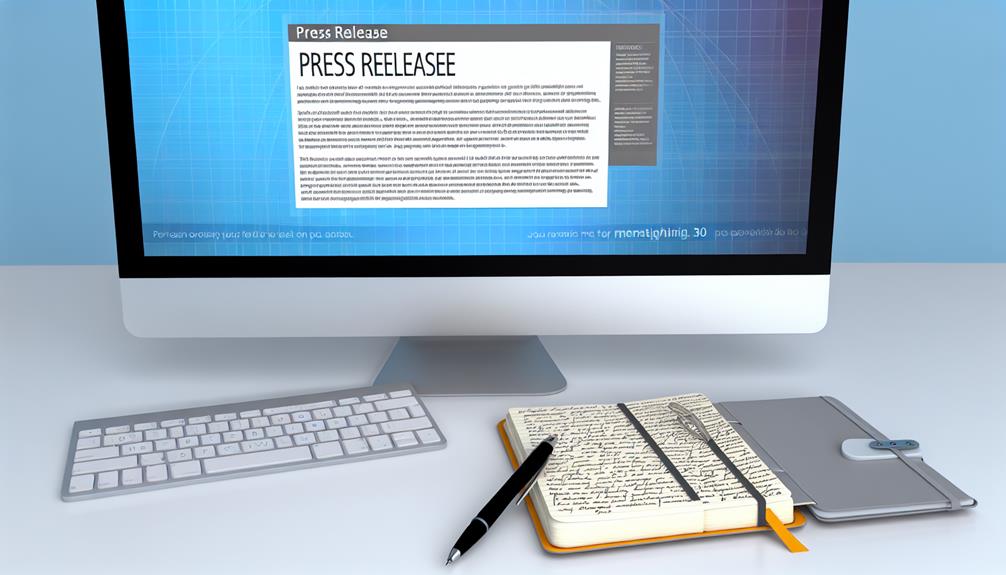
In today's journalism scene, the use of –30– in press releases stands out as a timeless tradition that still holds great value. This practice serves a simple yet crucial purpose: it clearly marks the end of the content for readers, a nod to our historical roots in communication practices. Journalists and PR pros find comfort in the familiarity and significance of -30-, signaling that the information shared is comprehensive and finalized.
The enduring presence of -30- in press releases reflects a harmonious blend of tradition and practicality in modern journalism. By upholding this custom, professionals ensure that their messaging is structured, thorough, and pays homage to the longstanding traditions of the field. The straightforward nature of -30- makes it an invaluable tool for guiding readers through the conclusion of a press release, signifying that all pertinent details have been covered. Thus, even in the fast-paced digital realm we navigate today, the continued use of -30- underscores its enduring relevance in the journalistic landscape.
Frequently Asked Questions
Why Is There a 30 at the End of Press Release?
As we wrap up this press release, I want to share a little insider tip with you. Have you ever noticed that little -30- at the end of some announcements? It's like a vintage sign-off, a quirky throwback to how things used to be done in the world of communication. It's a fun way to add a touch of tradition to our modern message. Just a small nod to the past, keeping things interesting.
Where Do You Put 30 in a Press Release?
Wrapping up a press release is like signing off on a conversation. It's the moment when you say, "That's all for now, folks!" After sharing the important news and updates, it's customary to add a simple -30- to signal the end. It's a nod to tradition and a clear marker that the document is complete. So, when you see that -30-, you know you've reached the end of the road.
What Is the Number 30 in Journalism?
In journalism, hitting the number 30 marks the end of an article or press release. This practice has deep roots in streamlining communication and is widely embraced in North America. It serves as a nod to tradition and wraps up written pieces with a sense of finality.
What Does the Number at the End of a Press Release Mean?
In press releases, the number 30 is like the period at the end of a sentence. It's a nod to old telegraphic codes, marking the conclusion for readers. This practice helps wrap up information neatly and ensures clear communication.