So, you might be wondering if longer press releases really pack in more valuable information, right?
Well, let’s dive into this: finding the sweet spot for press release length is key to capturing attention effectively. By keeping things short and impactful, you show respect for journalists’ time and ensure your message comes across crystal clear.
The length of a press release plays a huge role in how well it’s received and understood. So, how long should it be to strike that perfect balance between giving enough detail and keeping it snappy?
Ideal Press Release Length
When it comes to crafting press releases, aiming for around 300-400 words is key to grabbing journalists’ attention and getting good media coverage. Keeping your press release to about one page makes it easy to read and gets straight to the point, giving enough info to hook the reader without overwhelming them. The word count really matters in keeping readers interested and getting your message across effectively.
Going way off this ideal press release length could mean less interest from journalists and impact how much coverage your release gets. It’s all about finding the right balance between being brief and being clear in your writing to ensure your message comes across smoothly. By sticking to a moderate length, you can quickly grab the reader’s attention and keep them interested all the way through the press release.
Importance of Conciseness
When it comes to getting your news out there, keeping things short and sweet is key. In today’s fast-paced world, journalists are on the move, and they’ve only got about 8.25 seconds to spare. So, it’s crucial to get straight to the point in your press releases. By cutting out the fluff and sticking to what’s important, you’re showing respect for their time and keeping them engaged.
Being concise not only helps you get your message across effectively but also helps you build solid relationships with the media. Overloading them with unnecessary details can backfire, leading to less coverage and impact. So, remember, less is more when it comes to press releases. Keep it clear, impactful, and to the point to capture attention and make a lasting impression.
Structuring for Maximum Impact
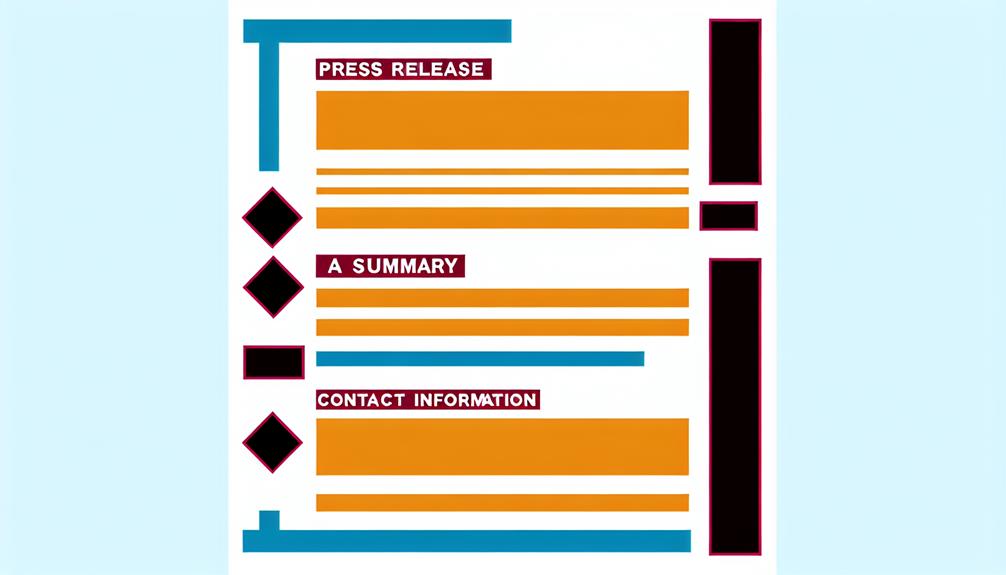
When you’re crafting a press release to make a splash and really grab attention, it all starts with a killer headline. Keep it to around 10 words to hook your readers and pique their interest.
In the opening paragraph, give a quick rundown covering the who, what, where, when, why, and how of your news. Make sure to organize your press release logically, including all the juicy details, quotes, and stats to back up your main points.
To keep readers engaged, try the inverted pyramid approach. Put the most important info up top so even skimmers get the gist. And don’t forget to add a call to action to spur interaction and keep folks engaged.
Keep things structured, informative, and interesting to really make an impact on your audience.
Expert Insights on Length
When it comes to crafting a press release that grabs journalists’ attention, experts recommend keeping it concise and to the point. Aim for a sweet spot of 300-400 words to ensure you get your message across effectively.
Tony Nicholls, a seasoned PR professional, emphasizes the importance of being strategic with your content length to engage the media successfully.
Alyssa Berman-Waugh, a Marketing VP, sheds light on how the right press release length can help you create compelling media content.
Julie Navickas, a PR Manager, underlines the need to prioritize key information within the recommended word range to communicate effectively.
Tips for Length Optimization
When crafting a press release to capture attention and engage readers, it’s best to keep it concise, falling within the 300 to 400 words range. Here are some tips to help you trim down your press release without losing its impact:
- Organized Structure: Break down your content with subheadings and bullet points for a clear and organized layout.
- Key Details Upfront: Start with the most crucial information in the opening paragraphs to ensure your main message is front and center.
- Strategic Quotes and Stats: Sprinkle in relevant quotes and statistics where they enhance the story without bloating the length unnecessarily.
- Respect Time Constraints: Keep it to a single page to respect journalists’ time and make it easy to read.
Frequently Asked Questions
What Is the Ideal Length for a Press Release?
When crafting your press release, aim for a concise yet engaging piece of around 400 words. The goal is to inform your readers effectively without overwhelming them. Adding visuals can enhance the impact and draw in the audience.
Striking a balance between brevity and content is key for a successful press release. By keeping it concise and to the point, you can effectively communicate your message and capture the attention of your readers.
Visual elements such as images or infographics can add depth to your press release, making it more visually appealing and engaging. Including these elements can help reinforce your message and leave a lasting impression on your audience.
How Long Is Too Long for a Press Release?
When you’re putting out a press release, remember: brevity is key. Keeping it under 400 words is the way to go. Going over risks losing your audience’s interest and missing out on media coverage. Short and snappy grabs attention, amps up engagement, and ensures your message hits the mark effectively.
Can a Press Release Be 3 Pages?
Of course, you can craft a press release that spans three pages, but let’s remember, sometimes less is more impactful. Try trimming down your main points to boost reader engagement and get your message across more efficiently. Remember, quality over quantity can make a big difference in how your message is received.
How Many Paragraphs Is a Press Release?
Crafting a press release calls for a balance of information and engagement. Aim for a concise 4 to 6 paragraphs to keep your readers hooked. The first paragraph sets the stage with the most critical details, while the following ones dive deeper with supporting facts, quotes, and additional insights. Think of it as a storytelling journey that unfolds gradually, keeping your audience intrigued from start to finish.