Ever wondered about the difference between a press release and a media release? It's a common mix-up, but knowing the distinction can really boost how effectively you get your message across. Let's dive into the unique purposes and target audiences of each to fine-tune your communication strategy for maximum impact.
Press releases and media releases serve different purposes in the world of communication. While they may seem similar, they are tailored for specific audiences and outcomes. Understanding these nuances can make a big difference in how your message is received.
A press release is typically aimed at journalists and news outlets. It's like a formal announcement, crafted to catch the attention of the media and spark their interest in covering your story. On the other hand, a media release is more versatile, designed for a broader audience beyond just journalists. It could be targeted at bloggers, influencers, or even the general public.
When drafting a press release, you want to focus on newsworthy angles and key details that will grab the media's attention. Think of it as your chance to pitch a story that reporters will want to share with their audiences. On the flip side, a media release allows you to be more creative and engaging, catering to a wider range of audiences with different interests and preferences.
By honing in on the specific goals and recipients of your message, you can tailor your approach accordingly. Whether you're aiming to secure press coverage or connect with a broader audience, understanding the differences between press and media releases is key to delivering your message effectively.
Key Takeaways
Press releases are like the party invitations of the business world, all about getting people excited for the big launch or event. They're crafted specifically for journalists, bloggers, and consumers to spread the word and generate buzz.
On the other hand, media releases are more like a buffet of information, serving up a variety of topics that go beyond just promotions. They target journalists, editors, and the general public, aiming to inform and engage a wider audience.
While press releases are all about shouting from the rooftops about product launches and event details, media releases take a more holistic approach, covering a range of stories and news that matter to a broader audience.
Definition of Press Release Vs. Media Release
Let's dive into the differences between a press release and a media release in a more casual and relatable way.
So, here's the deal: a press release, also called a news release, is like your official shout-out to the media and the public. It's all about sharing exciting news, events, or info related to a company, product, or service.
On the flip side, a media release is a broader term that covers both press releases and news releases, serving as a general heads-up to the media.
When it comes to press releases, they're your go-to for promoting stuff like products, services, events, or business updates to a wide audience, including consumers. The goal is to catch the eye of different media outlets.
On the other hand, news releases are more about giving the lowdown on current or past events in a straightforward way, aimed at journalists and news organizations. Both types follow specific formats to share unbiased info, but they play different roles in getting the word out.
Knowing the distinction between press releases and news releases is key to connecting with your target audience and nailing your communication goals. By picking the right type of release for your needs, you can boost your brand's visibility, engage with the media effectively, and make your desired impact.
Purpose of Press Release
Press releases are like the megaphone for your organization's big news, events, or updates, helping you shout it out to the world. They're the PR pro's secret weapon, allowing you to share important info with the media in a straightforward way. The goal? To grab attention, get those stories picked up, and boost your organization's visibility.
These formal announcements are perfect for spreading the word about product launches, cool events, fresh partnerships, awards, team changes, and other juicy updates. The main aim is to hook journalists, bloggers, and news outlets to get your story out there. By sticking to a specific format that spills the beans on who, what, when, where, and why of your project or event, press releases give media folks all they need to craft compelling stories.
In the PR world, press releases are your ticket to shaping how the public sees your organization. They help you take the reins on your news narrative, ensuring your message lands with the right crowd across different media platforms. By whipping up informative and exciting press releases, you can charm the media and drum up interest in all the awesome stuff your organization is up to.
Purpose of Media Release
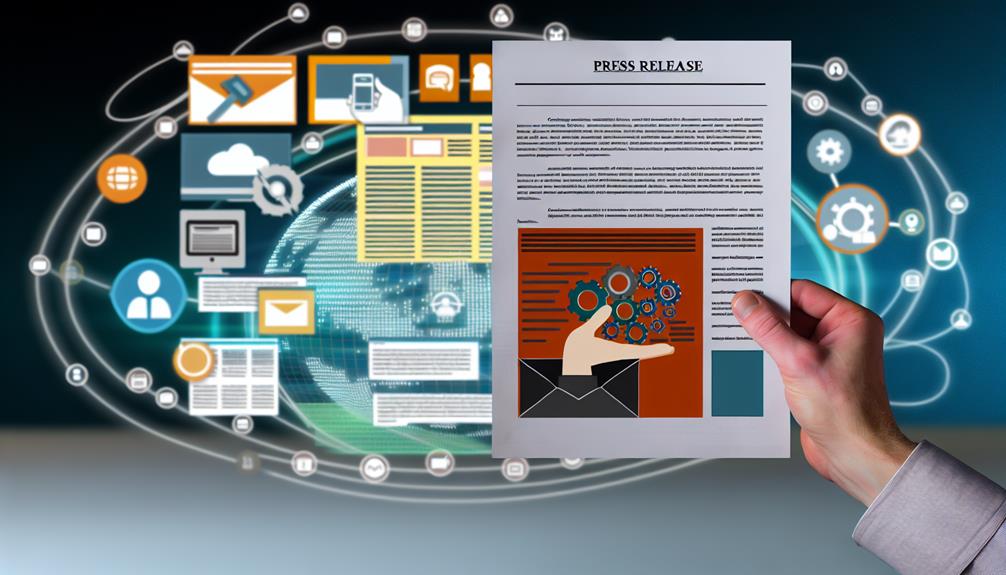
So, when you're putting together a media release, the goal is to grab the attention of journalists and media outlets.
You want to get the key details of your event across in a clear and compelling way.
Ultimately, what you're aiming for is to get media coverage and generate interest in your news or event.
It's all about making sure your message stands out and gets noticed by the right people.
Media Release Definition
When you're putting together a media release, it's all about grabbing the attention of journalists and media outlets with the juicy details of your event or news.
This document is like a sneak peek that entices the media to delve deeper into your story. By making sure to cover the Who, What, When, Where, and Why, you're setting the stage for media pros to pick up your story and run with it.
And don't forget to include contact info for any media inquiries so they can get in touch for more info or interviews to beef up their coverage. It's like giving them a backstage pass to the story you're unveiling.
Media Release Benefits
Are you looking to make a big impact with your news or announcements? Tap into the power of a media release to boost your visibility and engage your audience effectively.
Crafting an attention-grabbing Press Release Headline and leveraging various distribution channels can supercharge your marketing efforts. When you put out a media release, you ensure that your message reaches a broad audience, including journalists who rely on them for story inspiration.
This not only spreads the word about your events, products, or services but also elevates your brand's credibility and visibility. Media releases are a key communication tool that helps organizations connect with stakeholders, nurture relationships, and drive engagement, making them a valuable asset in your marketing toolbox.
Target Audience Differences
When it comes to connecting with your target audience, it's crucial to grasp the difference between press releases and media releases. Press releases are tailor-made for journalists, bloggers, influencers, and potential customers. They're a way to share official news and updates with these important groups. On the flip side, media releases cast a wider net, aiming at journalists, editors, and even the general public. The main goal of media releases is to get broader coverage and visibility across various media platforms.
When you're crafting press releases, it's vital to adjust the tone, style, and information to match what your audience expects. Journalists and industry insiders appreciate clear, factual details presented in a polished manner. In contrast, media releases should be crafted to appeal to a broader audience, including the general public. Customizing the content to suit the specific needs and interests of your audience enhances the effectiveness of your communication strategy.
Content Variances
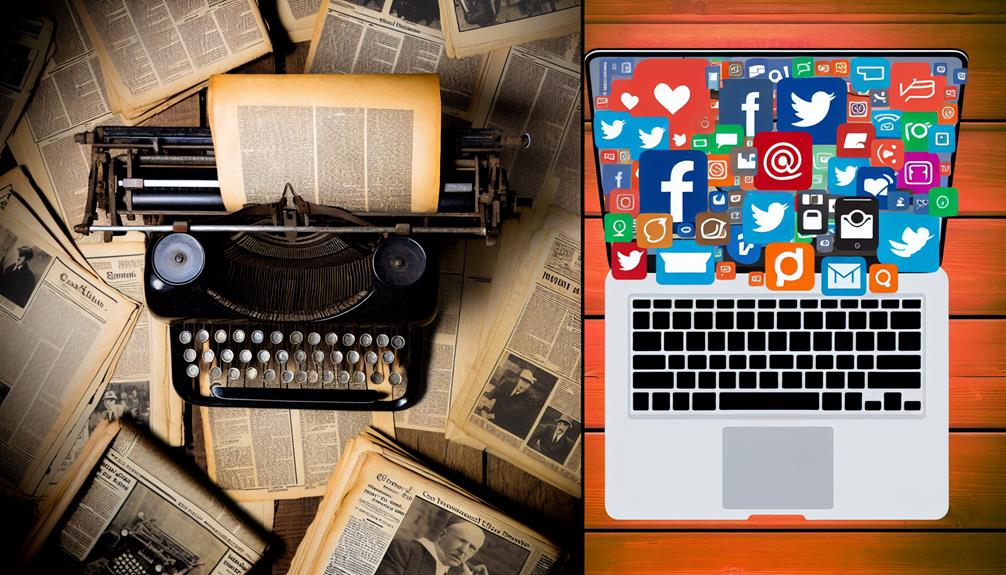
When it comes to the differences between press releases and media releases, it's all about understanding what sets them apart and knowing your audience.
Format Differences
Let's talk about the difference between press releases and media releases in a more casual and relatable way.
Press releases are like a well-organized party invitation – they've a catchy headline, date and time details, a warm intro, all the juicy info in the body, a little about the host (boilerplate), and contact info in case you want to RSVP. They're all about hyping up a product, event, or service to get the media's attention and create some buzz.
On the flip side, media releases are more like a quick news bulletin – short, sweet, and straight to the point. They focus on sharing facts about what's happening now or what went down in the past, keeping a neutral tone. These releases are directed at journalists, editors, and the public, aiming to inform without bias and engage readers with newsworthy updates.
Understanding these distinctions is key to crafting communication strategies that hit the mark for your specific goals. It's like knowing when to throw a fancy soirée or just shoot off a quick text to keep everyone in the loop. So, whether you're gearing up for a big launch or simply spreading the word about what's happening, tailoring your message to the right format is key for success.
Target Audience Preferences
When it comes to reaching out to your audience effectively, it's crucial to tailor your content to fit their preferences. Press releases and news releases play a vital role in communication strategies, but understanding who you're speaking to is key. Press releases are geared towards a wide audience, like consumers, to promote products or events.
On the flip side, news releases target journalists and news outlets to keep them informed about current or past happenings.
To really connect with your audience, think about their age, location, and interests when crafting your news release. Different groups have specific format preferences, with news releases often favoring online platforms for distribution. By matching your content with what your audience likes, you can boost the impact and effectiveness of your press or news release. It's all about speaking their language and meeting them where they're to make the most impact.
Distribution Variances
Ever wondered about the differences between press releases and media releases? Let's break it down in simpler terms for you.
- Who's the Audience?: Press releases are like a direct line to journalists and media pros, ensuring your news gets to the right people for spreading the word. On the flip side, media releases cast a wider net, reaching out to bloggers, influencers, and the general public to get your message out there to everyone.
- Formal or Casual?: Press releases stick to a formal structure, focusing on giving out the facts in a professional way. Meanwhile, media releases can be more laid-back and engaging, using different styles to grab the attention of a diverse crowd.
- What's Inside?: Press releases are usually for official news and updates, keeping to a specific type of content. In contrast, media releases cover a whole range of topics and formats, giving you more room to be creative and flexible with what you share.
- Why are We Sharing?: Press releases are your go-to for spreading news and event info, while media releases go beyond that, allowing for a mix of content beyond just announcements.
Key Components of a Press Release
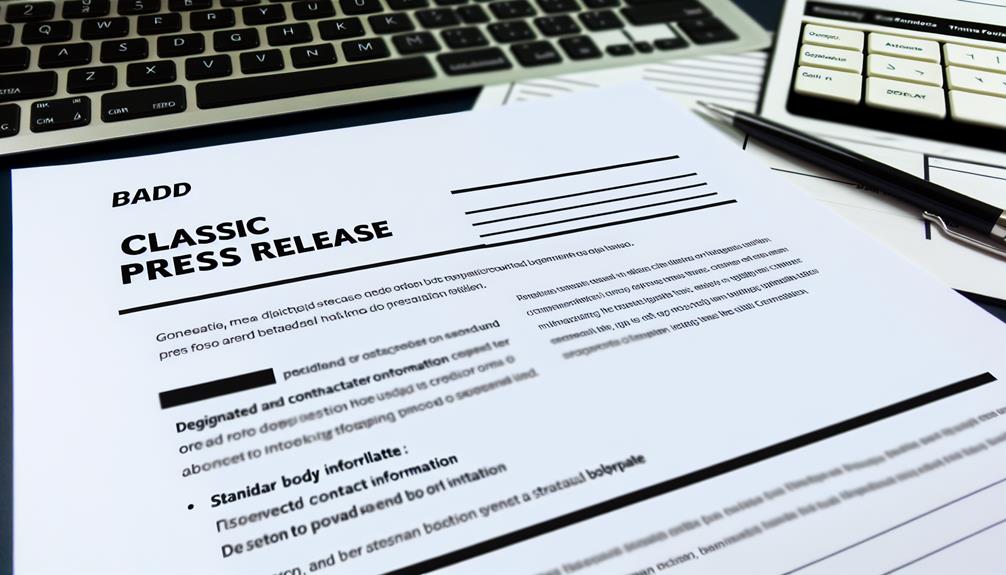
Crafting a press release is like telling a story that grabs attention and gets people talking. To make sure your press release stands out, be sure to include a catchy headline, a compelling opening paragraph, eye-catching visuals, impactful quotes, and contact details. These elements work together to draw in readers and spark media interest in your latest business updates and events.
When writing your press release, focus on answering the essential questions: who, what, when, why, and how. This helps journalists see the value in covering your story and ensures your target audience is engaged. By providing all the necessary details in a clear and concise manner, you increase the chances of getting the media coverage you desire.
Format for Press Releases
Crafting a standout press release requires some essential elements that mirror what you'd see in a news story. Here's a rundown of what your press release should include to make a splash:
- Headline and Subheadline: Your headline should grab attention, while the subheadline gives a quick peek into what's coming.
- Opening Paragraph: This is where you answer the crucial questions – who, what, when, why, and how – in a concise and engaging manner.
- Visuals: Incorporating images and videos can really boost engagement and make your press release more compelling.
- Quotes and Contact Info: Including quotes adds credibility, and providing contact information ensures that the media can easily reach out for more details.
When you're putting together your press release, keep these key components in mind to make sure you're hitting all the right notes and capturing the interest of your audience.
Writing Style Tips
Crafting a standout press release that grabs attention and resonates with your audience is key to securing media coverage. To achieve this, your writing style should be clear, concise, and engaging. Start by creating a headline and subheadline that pique interest right off the bat. Your opening paragraph should provide a quick snapshot of the most important details.
Incorporating multimedia elements like images and videos strategically can enhance the overall impact of your press release. Additionally, make sure to include impactful quotes from key stakeholders or experts to provide valuable insights. Keep your press release well-organized, error-free, and in line with industry standards to increase your chances of getting picked up by media outlets.
Effective Distribution Strategies
Let's boost the impact of your press release by getting it out to the right people through strategic distribution channels. Here are some key ways to make sure your message reaches its target audience effectively:
- Wire Services: Get your press release in front of thousands of media outlets and journalists by using wire services.
- SEO Optimization: Improve your online visibility by using keywords and optimizing your press releases for search engines.
- Targeted Outreach: Increase the chances of media coverage by reaching out to specific industry publications and relevant journalists.
- Digital Platforms: Reach a broader audience by sharing your press release on social media and through email newsletters.
Key Components of a Media Release
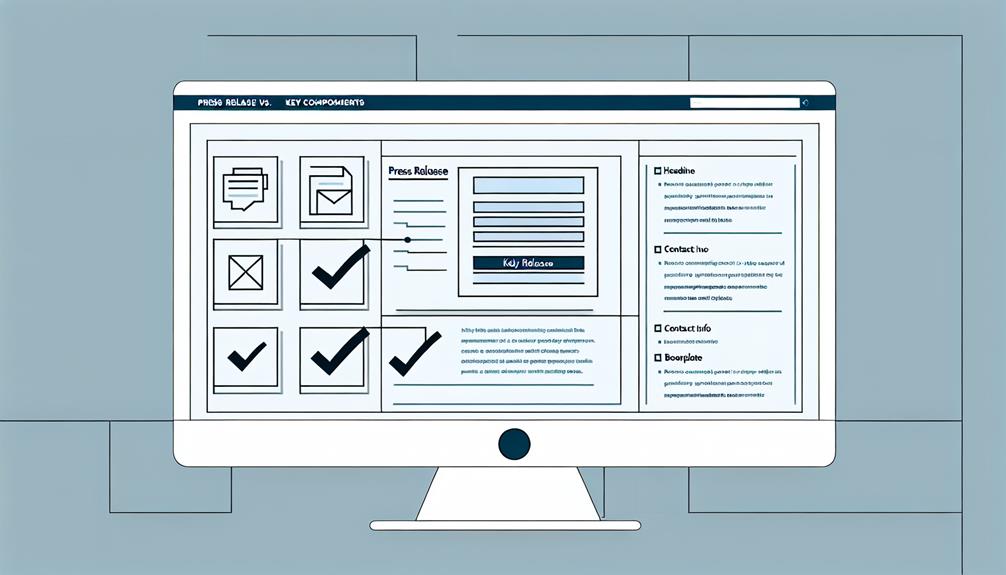
When putting together a media release, the goal is to grab attention and entice journalists to cover your event. You need to include key details like the date, time, location, and purpose in a concise manner. This usually means keeping it to around 100-150 words, making it easy for media pros to scan quickly.
Think of it as an exclusive invite for the media to come and report on what you've got going on. By getting the important info out there fast, you create a buzz that journalists can't resist.
And remember, how your release looks matters too – it should be visually appealing and easy to read to ensure your message hits home with your target audience.
Timing Variances
Ever wondered about the timing differences between press releases and media advisories and how they impact your communication strategy? Let's break it down in simpler terms:
- Press releases: These are like the appetizers served before or during an event to entice the media. They're longer, around 400-500 words, and get spread far and wide through various channels.
- Media advisories: Think of these as quick, snappy invites sent out at least 5 days before an event to media folks. They're short and sweet, usually around 100-150 words, and target reporters, editors, news agencies, and TV/radio producers.
- Goals: Press releases aim to grab media attention and coverage, while media advisories focus on drumming up attendance by laying out the important event details upfront.
- Getting the Word Out: Press releases cast a wide net across different platforms, while media advisories are like targeted missiles, making sure the right media peeps get the scoop directly.
Understanding these timing nuances can help you pick the right tool – be it a press release or a media advisory – to get your message across effectively and achieve your communication goals.
Metrics for Success
Wondering how to measure the impact of your press release effectively? Well, here's the scoop: keep tabs on key metrics like media pickups, website traffic, social media buzz, and brand recognition. Media pickups, which are mentions by journalists and news outlets, give you a pulse on how much buzz your press release is generating in the media world. The more pickups, the wider the audience you're reaching.
Online visibility is key in evaluating your press release's success. Check out the traffic to your website post-release to see how many folks clicked through because of your press release. Also, keep an eye on social media metrics like likes, shares, and comments to gauge how well your message is resonating with the online crowd.
Don't forget about brand awareness! Assess how your press release is boosting your brand's visibility and reputation. By tracking these metrics closely, you'll get a clear picture of how effective your press release strategy is in making waves and getting your brand out there.
Conclusion and Recommendations
Let's sum up the difference between press releases and media releases and explore some key tips to enhance your communication strategy:
- Know Your Audience: Tailor your message for journalists with press releases and a broader audience with media releases. Understand what each group expects and cater to their preferences.
- Embrace Online Platforms: Take advantage of digital platforms like social media, blogs, and websites for your media releases. This wider distribution can amplify your message beyond traditional press release channels.
- Stay Current with Trends: Keep up with the latest communication and media trends to adjust your press and media release tactics accordingly. Embracing new technologies and platforms can help you stay engaging and relevant.
- Track and Adapt: Use metrics to measure the impact of your releases. Analyze the data to refine your approach based on what resonates best with your audience. Regularly tweaking your communication strategies is crucial for achieving your goals effectively.
Frequently Asked Questions
Is There a Difference Between Media Release and Press Release?
Let's chat about the difference between a media release and a press release. So, here's the deal: a media release is all about spreading the news, while a press release is more about promoting something. Understanding this contrast can really shape how you communicate your message effectively. It's like knowing when to shout from the rooftops and when to have a one-on-one conversation. It's all about finding the right approach for the right situation.
What Is the Difference Between a Press Release and a Media Coverage?
When it comes to getting your story out there, media coverage is like shining a spotlight on you for all to see. But if you really want to take control and get your message across loud and clear, a press release is your go-to tool. It's your chance to craft the story just the way you want and deliver it straight to the media's doorstep. So, don't wait for the spotlight to find you—grab the reins and steer your narrative with a well-crafted press release.
What Is the Difference Between a Media Pitch and a Press Release?
When you're distinguishing between a media pitch and a press release, think of it this way: media pitches are like a flashy opening act designed to catch attention and pique interest, while press releases are the main event, delivering news in a structured way to a wide audience for maximum exposure. It's all about making a splash with your pitch and then following up with the solid details in the release to make sure your message gets out there loud and clear.
What Is a Press Release Also Known As?
Have you ever heard of a press release? It's like an official memo that organizations send out to share exciting news, upcoming events, or important updates. Press releases are like the megaphone of PR and marketing, spreading the word in a straightforward and unbiased way. It's the go-to tool for getting the scoop on what's happening without any fluff or bias.