When diving into the realms of communication and media sharing, it's vital to grasp the differences between a press release and an article. Each plays a unique role, appealing to distinct audiences. But where do they really set apart, and how can you harness their strengths effectively? By delving into the nuances between these two types of written content, you'll gain the insight to make informed choices that can boost your messaging strategy.
Press releases and articles serve different purposes in the world of communication. A press release is like a formal announcement, geared towards grabbing attention and spreading news quickly. On the other hand, an article delves deeper into a topic, providing analysis, opinions, and a broader context for readers to engage with.
Let's take a closer look at press releases. They are concise, to-the-point documents designed to pique interest and prompt action. Think of them as the quick snapshots that capture the essence of a story. They are often used to announce new products, events, or company milestones. When crafting a press release, focus on clarity, relevance, and a strong call to action to encourage further engagement.
Articles, on the other hand, offer a more in-depth exploration of a subject. They can take various forms, such as news articles, feature stories, or opinion pieces. Articles provide valuable insights, analysis, and storytelling to educate, entertain, or persuade readers. When writing an article, consider your audience's interests, incorporate relevant research or data, and strive to deliver a compelling narrative that keeps readers hooked.
In my experience, mastering the art of balancing press releases and articles can truly enhance your communication strategy. By knowing when to use each format and tailoring your content to suit the purpose, you can effectively reach and engage your target audience. Remember, a well-crafted press release can create buzz and generate immediate interest, while a thoughtfully written article can establish your expertise and build credibility over time.
So, whether you're aiming to make a quick announcement or dive deep into a topic, understanding the nuances between press releases and articles is key to crafting compelling and impactful content that resonates with your audience.
Key Takeaways
Press releases are like quick updates for the media to grab onto, while articles are crafted to inform and captivate readers across various platforms. Unlike press releases, articles give you the freedom to get creative and explore different angles. Press releases are tailored for media outlets, while articles speak to a wider audience, offering a deeper dive into the subject matter. Think of press releases as the headlines, and articles as the full story, rich with details and insights that keep readers engaged and informed.
Definition of Press Release
Press releases serve as the official way for organizations to share news, events, or important updates with the public. These documents are carefully crafted to be sent to media outlets, playing a crucial role in any PR and marketing strategy. Organizations use press releases to increase visibility and reach a wider audience by getting the media to spread the word. The media acts as a bridge to disseminate this information to the public, making press releases a key part of marketing efforts.
Crafting a press release involves following a specific format to provide unbiased information to the media. This ensures that the news is presented clearly, concisely, and professionally. Organizations issue press releases for various purposes such as launching products, hosting events, forming partnerships, receiving awards, or announcing personnel changes. Each announcement is strategically planned to attract media attention and support the organization's goals.
Purpose of Press Release
Have you ever wondered about the power of press releases in today's digital age? Let's dive into how these announcements play a crucial role in getting the word out to a wider audience. Press releases are like the official megaphones of organizations, spreading the latest news and marketing messages far and wide.
The main aim of a press release is to snag media coverage and boost a company's visibility. When PR and marketing pros send out these releases to various media platforms, they're hoping to catch the eye of journalists, bloggers, and potential customers. By presenting information in a structured and unbiased way, press releases help build a company's reputation and credibility.
In the realm of marketing, press releases are key players in drumming up excitement for new products, partnerships, or big wins. They allow companies to steer the conversation around important milestones and ensure the right messages reach their target audience. Essentially, press releases act as a link between organizations and the media, spreading noteworthy updates and boosting visibility in the competitive digital world.
Characteristics of Press Release
Press releases are like the Swiss Army knife of the media world – versatile, informative, and straight to the point. They're the go-to for companies wanting to shout their news from the rooftops, providing journalists with the scoop they need to keep their readers in the loop. Whether it's a new product launch, a big event, or a game-changing project, press releases are the golden ticket to getting the word out.
Picture this: a company has some exciting news to share. Instead of relying on smoke signals or carrier pigeons, they craft a press release that's jam-packed with the who, what, when, where, and why. No fluff, no frills – just the facts, ma'am. This no-nonsense approach ensures that the information is crystal clear and leaves no room for misinterpretation.
Journalists love press releases like kids love candy. They're a treasure trove of reliable information that can be spun into compelling stories for their readers. By sticking to the facts and presenting the details in a way that's easy to digest, press releases become the bread and butter of media professionals. It's like having a cheat sheet for crafting top-notch articles without breaking a sweat.
Examples of Press Releases
Let's talk about how press releases really hit the mark in getting the word out to the public. Think about when a company drops a press release on its own platforms to announce a hot new product. By getting that release out to different media outlets, the company makes sure the news spreads far and wide, creating a buzz around the product.
Another classic use of press releases is when organizations want to get the word out about an upcoming event. Picture a nonprofit dropping a press release about a charity gala on the horizon, aiming to draw in attendees and donors. By sharing the release with specific media outlets, the organization ramps up visibility and attendance for the event.
And let's not forget how press releases come into play when companies team up. When two businesses partner up, they can throw out a press release to clue the public in on the perks and aims of their collaboration. This move helps both companies get their names out there and build trust in their industries.
Definition of Article
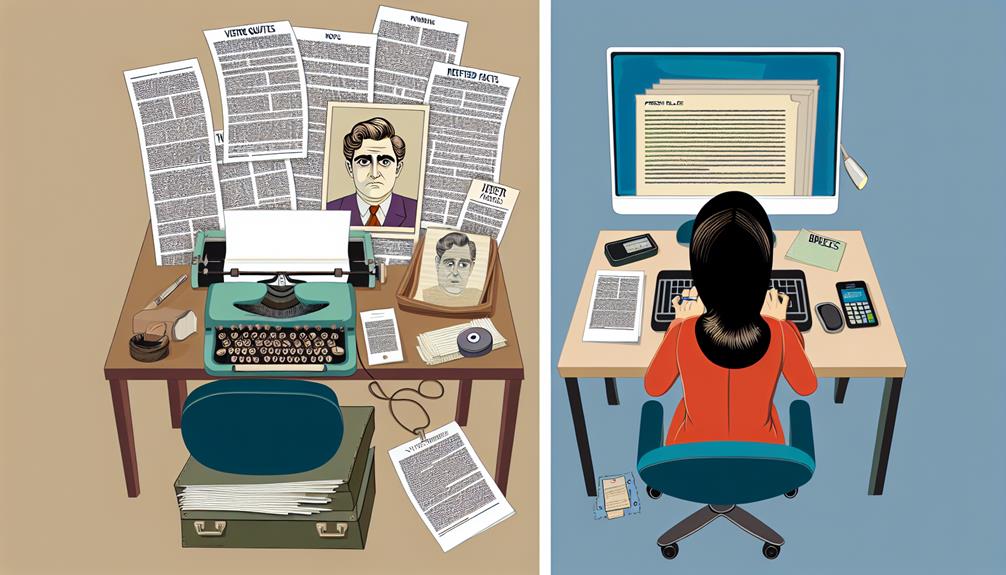
When you think about an article, picture it as a helpful piece crafted to inform and provide valuable insights without any self-promotion. Articles are longer than press releases and are intended to captivate readers with thorough analysis and research. They delve into a wide range of topics, aiming to deepen understanding through rich content.
The essence of an article lies in offering a personal perspective or sharing first-hand experiences that resonate with readers. It should reflect expertise on the topic, drawing from real-life encounters or in-the-field experiences to provide genuine insights.
Article Structure
When you dive into an article, it's like embarking on a journey to uncover its core message and purpose. Articles serve as in-depth explorations of specific subjects, providing valuable insights and knowledge to readers. Unlike quick press releases, articles are more detailed and comprehensive, varying in length depending on the depth of information they offer. You can find them in newspapers, magazines, websites, and blogs, aiming to educate and enlighten audiences on a wide array of topics. Articles come in various forms, from news pieces to personal opinions and how-to guides. They often include multimedia elements like images, videos, and infographics to enhance the reader's understanding and engagement.
Imagine stepping into the world of an article where you can immerse yourself in a topic, gaining new perspectives and expertise along the way. Articles are like windows to knowledge, inviting you to explore and learn about different subjects in a personalized and engaging way. So next time you come across an article, be ready to embark on a learning adventure that will broaden your horizons and deepen your understanding of the world around you.
Article Vs Press Release
When distinguishing between an article and a press release, it's important to note that articles are like captivating stories that offer valuable insights rather than being purely promotional. Articles delve deep into a subject, providing detailed information to educate and engage readers. On the other hand, press releases are more focused on promoting news, events, or products in a concise manner. Let's break down the key contrasts between articles and press releases:
| Aspect | Article | Press Release |
|---|---|---|
| Purpose | Educate and inform the audience | Promote news, events, or products |
| Length | Typically longer with no word count limit | Concise, often around 300-800 words |
| Tone | Informative and engaging | Promotional and direct |
Purpose of Article
Ever wonder what makes articles so captivating and informative? Well, let's break it down in a way that's easy to grasp. Articles are like your go-to source for digging deep into a topic, whether it's the latest trends, groundbreaking research, or industry buzz. They're all about giving you the inside scoop and expert opinions that take you beyond the basics.
The main aim of an article is to arm you with knowledge that goes beyond the surface level. By diving into the nitty-gritty details, articles give you a chance to expand your knowledge and see things from a fresh perspective. This deep dive helps you stay informed, make informed decisions, and keep up with what's hot in your area of interest.
Moreover, articles are key in simplifying complex issues, so you don't get lost in the jargon jungle. By laying out facts, analysis, and interpretations in a straightforward manner, articles empower you to broaden your horizons and keep up with a world that's always changing. So, next time you're reading an article, remember: it's there to inform, educate, and enlighten you on a specific topic.
Characteristics of Article
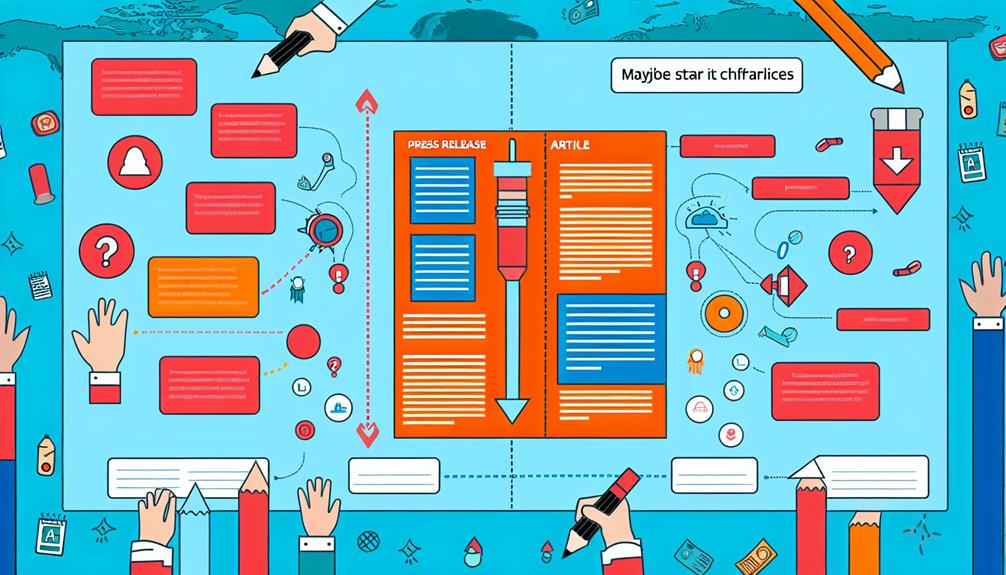
When you dive into what makes articles tick, it's key to consider their structure and substance. Articles follow a specific layout and pack in detailed info to get their message across effectively. Knowing how articles are put together and what details they include can help you craft engaging and informative pieces for your readers.
In the world of articles, the way they're structured and the information they hold are crucial. Articles stick to a particular format and provide in-depth details to effectively communicate a message. Understanding the ins and outs of article construction and content can empower you to create compelling and informative reads for your audience.
Article Structure
When you dive into an article, you'll uncover its unique traits that cater to informing readers effectively. Articles have a distinct structure that sets them apart from other types of writing:
- Introduction: Articles kick off with a captivating intro to hook readers and give them a glimpse of what's to come.
- Body: The meat of an article delves deeper into the topic, offering valuable insights, analysis, or viewpoints supported by solid evidence.
- Supporting Evidence: Articles often include quotes, research results, or expert views to add credibility and depth to the content.
- Conclusion: A well-crafted article wraps up by summarizing key points and possibly suggesting next steps or considerations for the reader.
Article Content
Unveiling the heart of an article involves diving into its core elements that truly capture and enlighten readers. Articles serve as vital tools in the realm of public relations, offering deep insights into a wide array of topics. They're meticulously crafted to educate and captivate audiences, delving beyond superficial details.
Unlike press releases, articles delve into the nitty-gritty, aiming to provide substantial value to readers. Penned by seasoned journalists or writers, articles cover a broad spectrum of subjects with the intent to inform and pique curiosity. Their content extends beyond mere promotion, striving to establish credibility and foster trust with the audience.
Examples of Articles
Ever wonder what kind of articles you might stumble upon while browsing the web? Let me break it down for you in a more casual, conversational tone:
- News Stories: These are like your go-to for the latest scoop, whether it's about neighborhood happenings or global updates. News pieces aim to keep you in the loop, straight-up reporting what's going on without any fluff.
- Opinion Pieces: Think of these as someone shooting the breeze with you about their thoughts on a topic. Opinion articles give a personal take on issues, stirring up discussions based on the author's beliefs or experiences.
- Deep-Dive Articles: These are like the investigative journalists of the internet world. Deep-dive articles dive headfirst into a specific topic, giving you the full 411 beyond just the basics. They might uncover trends, do profiles, or dig deep into investigations for a comprehensive read.
- Research Papers: These are like the brainy articles you'd find in academic journals. Research papers lay out findings from studies or experiments in a structured way, from the abstract to the results and conclusion, to make sure you get all the nitty-gritty details.
Each type of article serves its own purpose, whether it's to keep you informed, spark your thoughts, or give you a thorough understanding of a topic. So next time you're scrolling through articles, you'll know what to expect!
Key Differences Between Press Release and Article
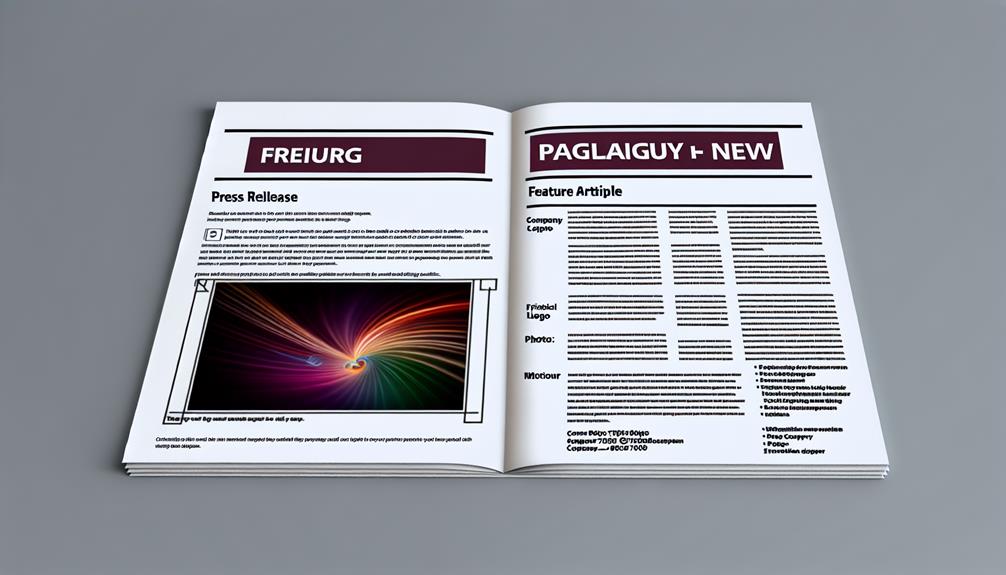
When it comes to telling apart press releases from articles, the main differences are in how they're set up and why they're written. Press releases are like quick, to-the-point announcements meant for the media to pick up, aiming for coverage.
On the flip side, articles dive deep into topics to inform and engage readers on various platforms. Knowing these distinctions can help you create the right kind of content for your communication goals.
Format Variations
When it comes to sharing information, press releases and articles take different approaches in how they present content. While press releases stick to a strict format with set sections, articles offer more room for creativity, allowing for storytelling and in-depth exploration. Here are four key differences between press releases and articles:
- Structure Flexibility: Press releases are locked into a set template, while articles can play with formatting and style.
- Content Focus: Press releases aim to deliver news objectively, while articles strive to captivate and educate readers.
- Audience Reach: Press releases are targeted at media outlets for coverage, whereas articles are crafted for a wider audience.
- Information Depth: Press releases are brief and to the point, emphasizing key facts, whereas articles can delve into various aspects of a subject.
In essence, press releases are like a straightforward announcement, while articles offer a more engaging narrative, making them a great platform to share insights and experiences in a more personal and relatable manner.
Purpose Clarity
To really grasp the key distinctions between a press release and an article, let's break it down in a more relatable way:
| Aspect | Press Release | Article |
|---|---|---|
| Purpose | Spreads the word about news, events, or products | Educates the public on a variety of subjects |
| Clarity | Acts as a promotional tool for businesses | Offers valuable insights without direct advertising |
| Length | Typically short, around 500 words, following a set format | Can be longer and more detailed, like well-crafted stories |
In essence, a press release is like a quick announcement, designed to promote and share news efficiently. On the other hand, an article dives deeper into topics, aiming to inform and engage readers without pushing a sales pitch.
When to Use a Press Release
When it comes to getting your company's message out there and grabbing the media's attention, using press releases strategically is key. Here are some tips to help you decide when to use a press release:
- Introducing a New Product: Press releases work great for launching a new product. They give you a structured way to share all the juicy details about your product, its cool features, and how it can benefit people. This can catch the eye of journalists and potential customers alike.
- Getting Media Attention: If you want to snag some media coverage for an upcoming event, partnership, award, or any other big company news, a press release is your go-to tool. It's a direct way to share newsworthy info and grab journalists' interest.
- Timing is Key: The timing of your press release matters. To get the most visibility and impact, think about when your target audience is most active. Try to sync up your release with industry news or events to boost the chances of media coverage.
- Controlling the Story: Using press releases lets you shape the narrative around your company's big announcements. By giving out unbiased info in a format tailored for journalists, you can ensure that your message is shared accurately with the media and the public.
When to Use an Article

When it comes to getting the word out about your latest developments, ditching the formal press releases and opting for articles is the way to go. Articles pack a punch by offering deep insights, expert advice, and practical solutions to everyday challenges. If you're looking to flaunt your know-how, build trust, and establish yourself as a go-to authority in your field, articles are your best bet. Not only do they hook your target audience, but they also drive traffic to your site organically, giving your search engine rankings a boost.
What's great about articles is their versatility across different platforms like blogs, websites, social media, and industry publications, ensuring maximum exposure and impact. By sharing articles on social platforms, you can broaden your reach, attract new followers, and spark social sharing, opening up more opportunities for exposure. This earned media, gained through the circulation of valuable and educational articles, can further solidify your brand's reputation and credibility among your audience.
Conclusion: Choosing the Right Format
When you're torn between sending out a press release or crafting an article, it all boils down to understanding your audience and goals to pick the right format. Press releases and articles each have their unique roles, so knowing the distinctions is key to making a smart choice.
Here are four key things to consider when deciding between a press release and an article:
- Know Your Audience: Press releases are geared towards journalists and media outlets to grab their attention with newsworthy updates. Articles, on the other hand, cater to a wider audience, including everyday readers keen on delving deep into a specific topic.
- Focus on Content: Press releases are about delivering timely news and major updates related to a company or organization. Articles dive into subjects, providing detailed insights, analysis, or storytelling to captivate readers.
- Communication Objectives: Figure out if you're aiming to spread breaking news and garner media coverage (press release) or to inform, entertain, or persuade a broader audience (article).
- Brand Identity and Messaging: Consider how each format fits your brand's image and the message you want to convey. Press releases can boost credibility and authority with the media, while articles can help position your brand as an industry leader or expert.
Frequently Asked Questions
Is a Press Release the Same as an Article?
So, let's clear up a common misconception. A press release is not the same as an article. When you put out a press release, you're letting journalists know about some fresh news. On the other hand, articles are all about sharing detailed information with a wider audience. Press releases have a set format to follow, while articles give you room to share your personal take on things. It's like announcing breaking news versus diving deep into a topic for everyone to read and learn from.
What Is the Difference Between a Press Release and a Sponsored Article?
When you're trying to differentiate between a press release and a sponsored article, think of press releases as shouting exciting news from the rooftops, while sponsored articles subtly blend promotional messages into informative content. Each serves a unique purpose in grabbing attention and establishing credibility.
What's the Difference Between a Press Release and a News Story?
When you're looking at a press release versus a news story, keep in mind that news stories provide impartial information, while press releases are more about promoting products or organizations. News stories stick to the facts and aim to inform, while press releases are crafted to generate positive publicity. It's like comparing a straightforward report to a piece designed to shine a spotlight on a specific entity. So, next time you read both, remember that news is about informing, while press releases are about promoting.
What Is the Difference Between a White Paper and a Press Release?
When you think about the difference between a white paper and a press release, it's like comparing a deep dive into a topic with a quick news announcement. White papers go in-depth, providing valuable insights and solutions, while press releases are short and to the point for spreading the word. One educates, the other grabs attention.