
Ever thought about when press releases might not be the best way to get your message out there? It's tricky to know when a press release will hit the mark and when it might backfire on your brand.
Being able to spot the signs that it's best to skip the press release can save you from missed chances and make sure your message lands well.
Stick around to discover the key warning signs to watch for when deciding whether to send out a press release.
Key Takeaways
When it comes to crafting a compelling press release, it's crucial to consider what truly matters to your audience. Avoid filling your release with self-promotion that lacks substance or doesn't resonate with readers. Instead, focus on delivering a message that is timely, relevant, and engaging.
Make sure your press release is error-free and easy to understand. Provide all the necessary details in a clear and concise manner to ensure that your message is conveyed effectively. Timing is also key – releasing your press release at the right moment can significantly impact its reach and effectiveness.
Remember, a well-crafted press release should grab the attention of your target audience and leave them wanting to learn more. By prioritizing newsworthiness, relevance, and clarity in your content, you can increase the chances of your message making a lasting impression.
Lack of Newsworthiness
Is your press release going to grab a reporter's attention right away? It's all about being newsworthy. Before you hit send, make sure what you're sharing is timely, important, and interesting to the public. Reporters are flooded with news, so your press release has to offer something that stands out.
Ask yourself: does the news you're sharing really matter? Press releases aren't for every little update or minor change within your organization. If it doesn't impact those outside your organization in a big way, maybe it's not press release material.
Journalists want stories that will hook their audience and add value to their reporting. If your press release lacks that newsworthy edge, it mightn't catch the media's eye. Focus on giving info that's both timely and relevant to ensure your press release hits the mark with reporters and reaches your audience effectively.
Overly Promotional Content
When putting together a press release, remember that the key is to share what's newsworthy rather than just pushing promotions. It's crucial to steer clear of sounding too salesy, as this can harm how credible and impactful your message is perceived to be. Media outlets and publications prefer press releases that offer timely, relevant, and informative content rather than ones that come off as pure advertising.
Let's break down why it's important to steer clear of overly promotional content with a real-life perspective:
- Diminished Credibility: If your press release reads like a sales pitch, it's likely to erode trust with both the media and your audience. Instead, focus on sharing news and valuable insights to build credibility.
- Decreased Effectiveness: Overly promotional content reduces the chances of getting coverage from media outlets. Emphasize the newsworthiness of your message rather than pushing products or services.
- Journalistic Integrity Compromised: Reputable sources may disregard press releases that overly advertise products or brands. To maintain integrity, avoid coming across as too pushy with promotional language.
Poorly Written Press Releases
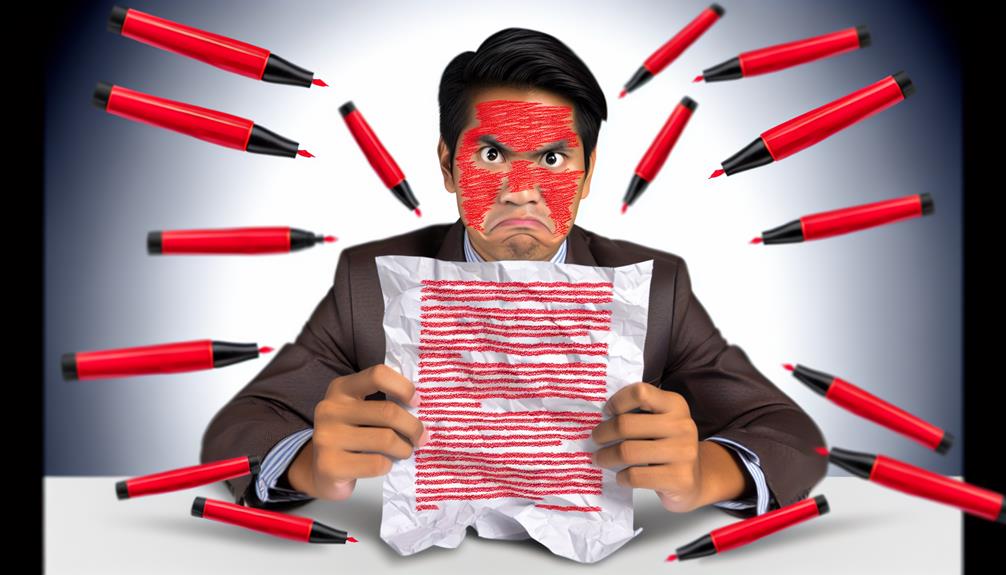
When it comes to putting out press releases, it's crucial to keep things sharp and professional to maintain your credibility. Here are some key things to focus on:
- Spelling, Grammar, and Punctuation: Typos and grammar mistakes can really throw off the vibe of your press release. They might make you seem less pro and could cause some confusion.
- Clarity and Impact: If your press release is all over the place, your message might get lost in the shuffle. Keep it clear and to the point so your readers know exactly what you're trying to say.
- Organization and Flow: A press release that's all jumbled up won't grab anyone's attention. Make sure yours follows a logical order and presents info in a way that makes sense to keep your audience engaged.
Lack of Relevance to Target Audience
When you're getting ready to send out a press release, it's crucial to think about how it will impact your audience – whether it's your customers, followers, or stakeholders. The key is to make sure that the information you're sharing really matters to the people you want to reach. Your press release needs to focus on news that directly affects the public or stakeholders to keep them interested and engaged. If your content isn't relevant to your target audience, it could lead to disinterest, a negative perception, or even harm your brand's reputation.
To help you gauge the relevance of your press release to your audience, let's break it down in a more relatable way:
| Things to Think About | Relevance to Your Audience | How to Get the Message Across |
|---|---|---|
| How it affects stakeholders | Really important | Connect with key stakeholders |
| Does it match their interests | Kind of important | Customize the content to match their interests |
| Is it timely | Super important | Share the news when it's fresh |
| Is the message clear | Very important | Keep it simple and to the point |
Timing and Distribution Issues
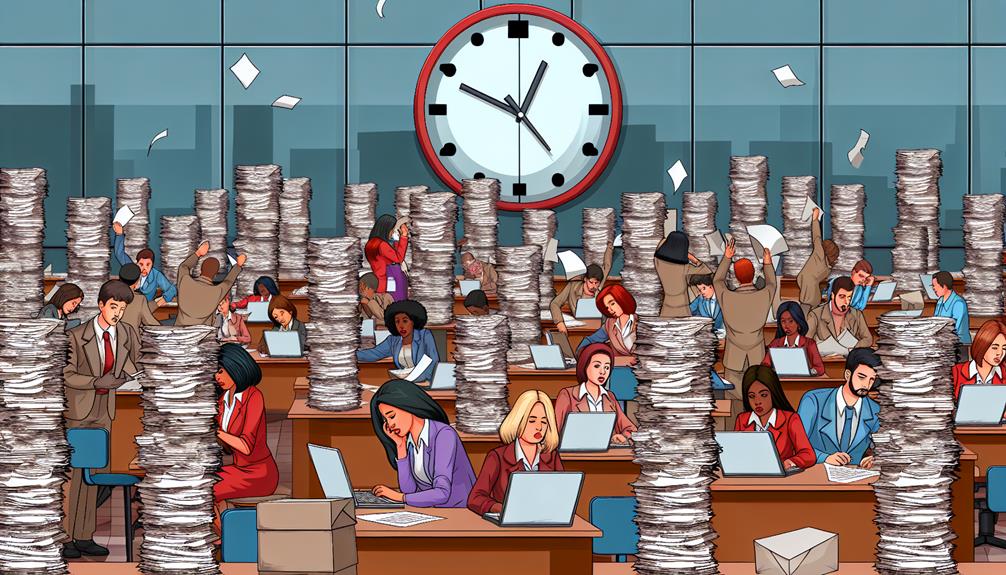
When you're mapping out your press release game plan, it's key to think about the timing hurdles, where to send it, and how relevant your info is.
Mondays and Tuesdays are usually buzzing with press releases, while Fridays and weekends are quieter.
The sweet spot for sending out your news is typically between 8-9 AM ET, and steer clear of dropping big announcements on April Fools' Day.
Timing Challenges
When it comes to getting your press release out there, timing is key, especially on Mondays and Tuesdays. These days are buzzing with press releases, so it's crucial to plan strategically.
Here are a few tips to consider when timing your press release:
- Peak Days: Mondays and Tuesdays are prime time for press releases, so make sure to schedule yours accordingly to maximize visibility.
- Best Time: Aim to release your press statement between 8-9 AM ET for optimal attention. This timeframe tends to attract the most eyes and ears.
- April Fools Day Caution: It's wise to avoid releasing important news on April Fools Day. With all the pranks and jokes circulating, your message might get lost in the mix.
Distribution Concerns
When it comes to getting your press release out there, timing and distribution are key. Mondays and Tuesdays are packed with press releases, making it tough to stand out. Fridays, on the other hand, are quieter, so your news might get lost in the shuffle.
Weekends see less action, offering a less competitive space for your announcement to shine. For the best timing, aim to send out your press release between 8-9 AM ET, the prime time for releases.
As for distribution, don't underestimate the power of social media and influencer marketing to spread the word to a wider audience. By smartly choosing when and how you share your press release, you can boost its chances of getting noticed.
Relevance Consideration
When you have exciting news to share, timing and relevance are crucial for grabbing the media's attention. Whether you're handling public relations or sending out press releases, remember these key points:
- Timing Matters: Make sure your news is timely and urgent to pique reporters' interest. If it's not pressing, hold off on the press release.
- Protect Your Brand Image: If delaying your announcement won't harm your brand's reputation, there's no rush to issue a press release.
- Consider Your Audience: Updates that only concern internal matters and won't impact external stakeholders may not need a press release for wider distribution.
Ineffective Follow-Up Strategies
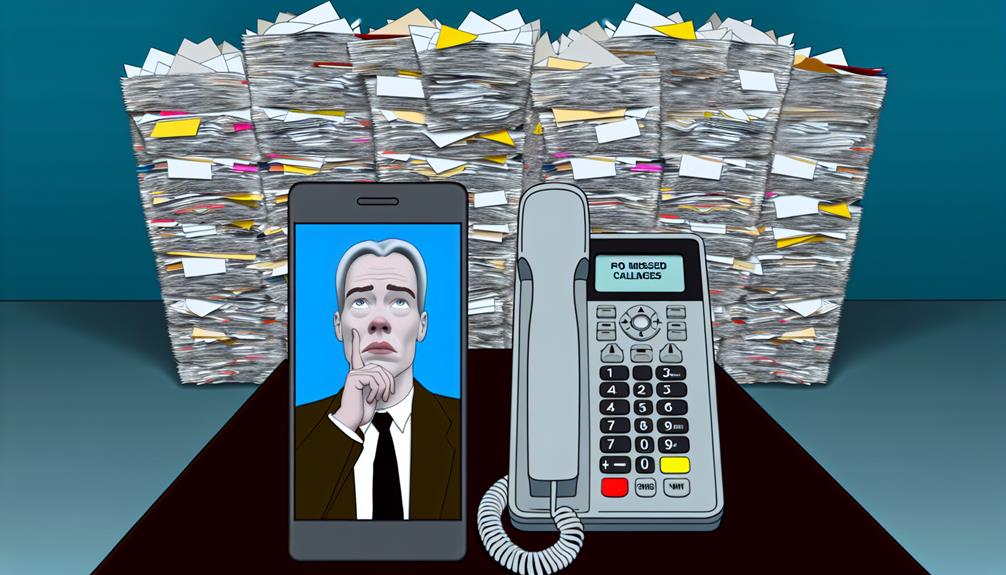
When it comes to following up on your press release, it's crucial to have strong strategies in place. Neglecting to touch base with journalists or media contacts who've shown interest can mean missed opportunities.
Don't forget the little details that could grab the media's attention and result in more coverage.
Weak Follow-Up Methods
So, you've sent out your press release, but now what? Well, let's talk about how to make sure it gets the attention it deserves:
- Quick Follow-Up: Don't wait around! Reach out to journalists promptly after sending your press release to stay fresh in their minds.
- Personal Touch: Tailor your follow-up messages to each journalist. Show them you've done your homework and that you're genuinely interested in working together.
- Add Value: Give journalists something extra. Share exclusive insights, data, or offer interviews to make your story stand out and show them the benefits of covering your press release.
Unresponsive Contact Attempts
When it comes to getting your press release noticed, follow-up strategies play a crucial role in boosting visibility and success.
It's essential to be proactive and responsive to media inquiries, ensuring you provide any additional information promptly.
By nurturing relationships with journalists through clear and engaging communication, you increase the likelihood of keeping their interest in your press release alive.
Given the daily influx of pitches journalists receive, standing out with timely and compelling follow-ups can make a real difference in securing the coverage your news deserves.
Stay diligent in cultivating these connections to maximize the reach of your press releases.
Missing Important Details
When reaching out to journalists with your press releases, it's crucial to make sure you're providing all the necessary details to grab their attention and make your story stand out. Missing key information could mean missing out on valuable media coverage opportunities.
Here are three essential tips to remember:
- Be Crystal Clear: Your press release should be a straightforward and engaging read, covering all the important points without unnecessary fluff.
- Stay Up-to-Date: Be quick to follow up with any extra information or resources that journalists might need to flesh out the story.
- Offer Valuable Resources: Give journalists access to top-notch images, quotes, and background materials to enrich their coverage.
Frequently Asked Questions
When Not to Do a Press Release?
Wondering when to skip the press release? Save it for breaking news, updates that only matter internally, or info that won't interest the outside world. Make sure you have a plan for what comes next before hitting send. Prioritize what's truly newsworthy over just promoting yourself. If you're not sure it'll catch anyone's eye, think about using alternatives like videos or social media posts instead.
What Is Unsuitable for Press Release?
When putting together a press release, steer clear of internal memos, unnecessary details, overly salesy language, or instances where a video or social media post would be more effective in getting your message across. Be smart about how you communicate for the most impact.
When Should Press Releases Go Out?
Looking to get your press release noticed? Consider releasing it on Fridays or weekends when there's less competition for attention. Avoid busy times like early mornings and April Fools' Day to stand out from the crowd. Timing your release strategically can make a big impact on how it's received.
What Are the Disadvantages of a Press Release?
When it comes to press releases, there are a few downsides to consider. These could include not having super exciting news to share, struggling to grab attention from outside sources, finding it tough to get the media interested, risking coming off as too pushy with promotion, and needing to think about other ways to get your message out there. It's like trying to stand out in a crowded room where everyone is shouting their own news – you've got to find a way to make your voice heard without being too in-your-face about it.