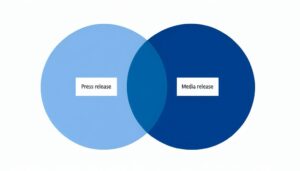
When you're trying to figure out the difference between press releases and news releases, it's all about understanding the subtle but crucial distinctions. These two tools have specific goals and are aimed at different audiences, each playing a unique role in shaping public perception and sharing information.
As you dive into the details of their content, tone, and how they're spread, you'll start to see the intricate differences that determine when and why you'd use one over the other. It's like untangling a web to see the distinct purposes each serves in the world of communication.
Key Takeaways
Press releases and news releases serve different purposes in the world of journalism and marketing. When it comes to press releases, they are like the salespeople of the writing world, aiming to promote products or events with a persuasive touch. On the flip side, news releases are all about keeping people informed on current events without any sales pitch involved.
In terms of target audience, press releases are aimed at customers, journalists, and influencers, seeking to grab their attention and spark interest. On the other hand, news releases are directed towards journalists, editors, and the general public, focusing on spreading factual information rather than selling something.
The key difference lies in the approach used: press releases rely on persuasion techniques to sway the audience, while news releases stick to presenting plain facts. This contrast helps in understanding the distinct roles these releases play in the media landscape.
Purpose and Goals Comparison
When you look at press releases versus news releases, you see they both play crucial roles in getting information out and engaging with the audience. Press releases are all about sharing news and promoting stuff like products, services, or events to catch the media's eye and get people interested. They want you to do something like buy a product or come to an event. On the flip side, news releases stick to the facts about what's happening now or what happened before to inform the public and journalists. Their main aim is to give out the real deal without any sales pitch.
Press releases aim at a wider audience, from journalists to bloggers, consumers, and potential customers. They tell stories, build a brand, and highlight what's special to grab different people's attention. In contrast, news releases are strictly for journalists, editors, and news sources to get the accurate and latest info out there. They focus on the who, what, where, when, and why of an event without any marketing talk.
Both press releases and news releases are vital for engaging audiences and keeping them informed, each with its own style and purpose.
Content and Structure Differences
Press releases and news releases have distinct purposes and formats, each playing a unique role in sharing information with different audiences. When it comes to press releases, they're like storytelling sessions mixed with branding efforts and detailed descriptions of products or services, all aimed at informing and selling effectively. These releases often come with a sprinkle of persuasion and excitement to showcase the benefits or standout features for the readers.
On the flip side, news releases stick to the nuts and bolts, focusing solely on the facts and events by answering the essential questions of who, what, where, when, and why. They maintain a straightforward and unbiased tone, aiming to inform, educate, and report without any frills.
The main goal of a press release isn't just to inform but also to nudge the readers towards specific actions through calls to action, broadening the reach for promotional purposes. In contrast, news releases are all about giving out information objectively without any promotional agenda. Press releases are strategically structured to include elements that drive engagement and spur action from the audience, while news releases are all about presenting clear and concise details about a specific event or topic.
Understanding these differences in content and structure is key to leveraging press releases and news releases effectively in communication strategies.
Target Audience Variances
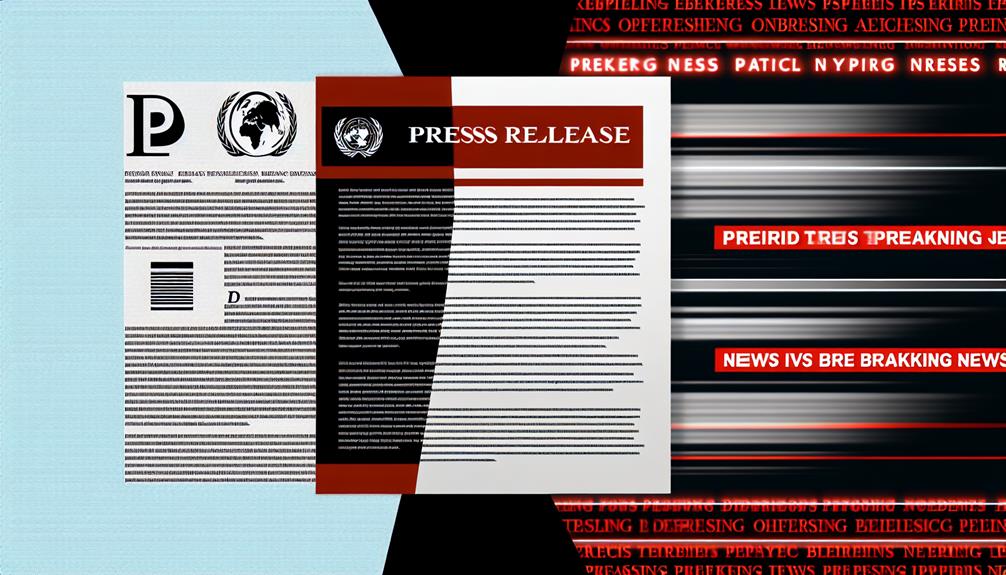
When it comes to crafting press and news releases, understanding your audience is key. Press releases are like invitations sent to journalists, bloggers, influencers, and potential customers to spark interest in a product, service, or event. The goal is to create a buzz that reaches beyond the usual media channels. On the flip side, news releases are aimed at journalists, editors, and the public to share timely and accurate information about newsworthy events.
Knowing who you're speaking to makes all the difference in the success of your press and news releases. Press releases are all about marketing and generating excitement. They're designed to catch the eye of a wider audience and get people talking. In contrast, news releases focus on delivering the facts to journalists on the lookout for stories that matter to the public.
In the world of public relations, understanding the nuances between press and news releases when it comes to target audiences is crucial. Tailoring your content to suit the preferences and needs of your readers ensures your message hits the mark and resonates well with those you're trying to reach.
Tone and Messaging Varied Approaches
Understanding the difference in tone and message between press releases and news releases is crucial for effectively getting your point across to your target audience. Press releases usually have a persuasive and upbeat tone, aiming to inform and promote products, services, or events effectively. On the flip side, news releases maintain a direct and unbiased tone, focusing on informing, educating, and reporting facts about current or past events.
Let's break it down in a more casual way:
Press releases are like your hype person, trying to sell you on something with excitement and persuasion. They want you to know all the cool stuff about a product, service, or event and get you on board. News releases, on the other hand, are more like a straight-shooter, just giving you the facts without any fluff.
Here's a simple comparison:
| Aspect | Press Releases | News Releases |
|---|---|---|
| Tone | Hype and persuasive | Straightforward and factual |
| Message | Sell products/services/events, tell stories, build a brand | Inform and educate, report facts accurately, give the essential details |
| Call to Action | Includes a prompt for specific reader actions | Doesn't push for any specific action |
Press releases love to tell a good story, build up a brand, and dive into the nitty-gritty details to make things sound awesome. News releases, on the other hand, stick to the basics: who, what, where, when, and why without trying to get you to do anything specific. By knowing these differences, you can tailor your content to suit your communication goals effectively.
Call-to-Action Strategies Overview

Having a strong call-to-action is key in press releases to guide readers towards specific actions. While press releases usually include prompts for readers to visit a website or sign up for a newsletter, news releases focus more on providing information for journalists. Crafting effective call-to-action strategies in press releases is all about engaging the audience and motivating them to take desired actions related to the promoted product, service, or event.
Call-to-action statements in press releases play a crucial role in driving traffic, conversions, and engagement by directing readers on the next steps to take. By including a compelling call to action in a press release, businesses and organizations can boost the effectiveness of their marketing and promotional efforts.
When developing call-to-action strategies for press releases, it's essential to consider the target audience and tailor the message to prompt specific actions. Whether it's urging readers to make a purchase, attend an event, or learn more about a product, a well-crafted call to action can significantly impact the success of a press release within the broader marketing strategy.
Distribution Channels Discrepancy
When it comes to getting the word out, news releases and press releases take different paths. News releases make their mark online, spreading through websites, social media, and email newsletters to catch the eye of a wide digital audience. On the flip side, press releases target traditional media like newspapers, magazines, TV stations, and radio, aiming to grab attention from the broader public.
To boost their online presence and connect with readers, news releases often rely on digital platforms and press release distribution services. They're carefully crafted to engage online readers and spark interest through digital channels. In contrast, press releases are sent directly to journalists, editors, bloggers, and influencers in the hopes of landing coverage in traditional media formats.
News releases focus on online engagement, while press releases aim for traditional media coverage to extend their reach and influence.
Impact and Effectiveness Evaluation
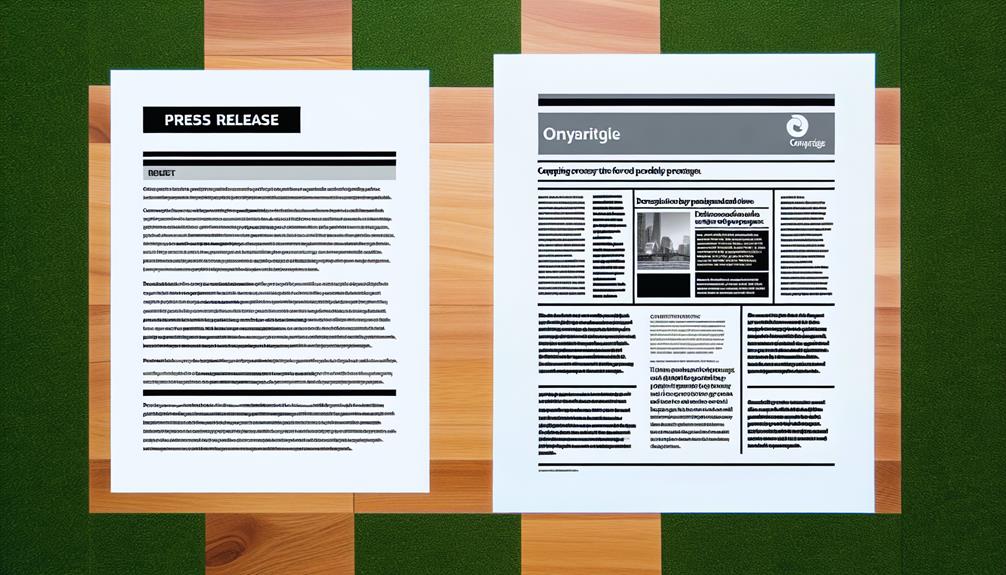
When you're assessing how effective your press releases are, it's essential to look at a few key factors. Start by checking how far your message is reaching and how many people are engaging with it. You can use tools like Google Analytics to get a clear picture of the impact.
Keep an eye on where your press release is getting coverage, how much it's being shared online, and how your audience is interacting with it. By tracking these metrics, you'll be able to see if your press release is hitting the mark and driving the results you're looking for, like more website visitors or new customers. It's all about connecting the dots between your press release and your business goals to see the real impact.
Measurement of Impact
When it comes to gauging the impact and effectiveness of press releases, you need to look at a few key metrics. Things like how many times the media picked up your release, the traffic it drove to your website, the level of engagement on social media, and whether it led to any conversions are all important indicators. Keeping track of how many views, shares, and mentions your press release gets across different platforms can give you a good sense of its reach and how well it's resonating with your audience.
To really understand the impact, pay attention to how your audience is interacting with the release. Are they leaving comments, providing feedback, or reaching out with inquiries? These are all valuable insights. You'll also want to see if your press releases are boosting your brand's visibility, improving your reputation, and helping generate leads. Tools like Google Analytics, social media analytics, and specialized PR software can be really helpful in quantifying how your press releases are affecting your audience's behavior and your business outcomes.
Evaluation Methods Used
When it comes to assessing the impact and success of a PR campaign, it's crucial to look at how well it met its goals and objectives. Impact evaluation focuses on the immediate effects on target audiences, stakeholders, and media coverage, while effectiveness evaluation looks at the overall success of PR strategies.
To do this, PR professionals often use methods like surveys, interviews, media tracking, and social media analysis. They gather both quantitative data (like reach, engagement, and conversions) and qualitative data (such as sentiment analysis) to get a full picture of the campaign's performance.
Continuous monitoring, collecting feedback, and analyzing results are key to refining PR strategies based on what works best. It's like fine-tuning a musical performance based on how the audience reacts – you adjust to create a better experience. By staying on top of feedback and data, PR teams can ensure they're always improving and delivering impactful campaigns.
Reporting on Effectiveness
Analyzing the impact and success of press releases and news coverage requires looking at key metrics like reach, engagement, and conversions. It's crucial to understand how media coverage resonates with the audience and the feedback it generates. By keeping an eye on indicators such as click-through rates, open rates, and conversion rates, you can gain valuable insights into how well your news is performing. Monitoring the media landscape allows for a comprehensive evaluation of the reach and engagement levels achieved.
To truly gauge the effectiveness of press releases and news coverage, tapping into surveys, interviews, and feedback channels is essential. These methods provide a way to measure the overall impact accurately and understand how the audience is responding to the news. By actively seeking out and analyzing this feedback, you can fine-tune your strategies and enhance the effectiveness of your press releases and news coverage.
Frequently Asked Questions
What Is the Difference Between a Press Release and a News Conference?
When you think about a press release versus a news conference, it's important to understand that a press release is like a written announcement sent out to media outlets, while a news conference is a live event where information is shared with journalists and the public in person. It's like sending out a formal invitation versus hosting a party where everyone can join in and interact in real time. Each has its own unique way of getting information out there, but the live interaction of a news conference adds a personal touch that a press release might not have.
What Are the Three Types of News Releases?
Let's break down the three types of news releases you should be familiar with. Event releases let people know about upcoming events or occasions to look forward to. Product releases are all about introducing new products or services to the market. Personnel releases, on the other hand, focus on any internal changes happening within a company. Each of these serves a specific purpose in keeping the public informed and engaged.
What Is a Press Release for a News Article?
When you've got some exciting news to share, a press release is your best bet for getting the word out officially. It's like a megaphone for your announcement, spreading the news to media outlets for coverage. Stick to a simple format, shine a spotlight on the key details, and make sure to grab attention right off the bat.
What Is the Difference Between a Press Release and a Pr?
When it comes to distinguishing between a press release and PR, it's important to understand that a press release falls under the umbrella of PR. Think of a press release as a way to share specific news or information, while PR involves a broader strategy that focuses on managing relationships and shaping perceptions. In simpler terms, a press release is like a focused announcement, whereas PR is the big picture strategy for building and maintaining positive connections with the public. It's all about getting the right message out there and fostering positive relationships to support your goals.